Showing posts with label Vitamin. Show all posts

Vitamin B6 (pyridoxine)

Action
It plays an important role in metabolism, essential for the normal functioning of the central and peripheral nervous system is involved in the synthesis of neurotransmitters. In the phosphorylated form provides a process of decarboxylation, transamination, deamination of amino acids involved in the synthesis of proteins, enzymes, hemoglobin, prostaglandins, exchange of serotonin, catecholamines, glutamate, GABA, histamine, and improves the use of unsaturated fatty acids, lowers cholesterol and blood lipids, improves myocardial contractility, contributes to the transformation of folic acid in its active form, stimulates hematopoiesis.

Atherosclerosis vitamin B6 improves lipid metabolism.

Symptoms of hypovitaminosis

Possible consequences of a deficiency of vitamin B6:

Cramps, depression, irritability, lethargy, increased anxiety, insomnia
dermatitis on the face, above the eyebrows, around the eyes, sometimes on the neck and scalp, dry dermatitis in the nasolabial folds, seborrhea, glossitis, cheilosis with vertical fissures of lips, stomatitis loss of appetite, nausea and vomiting (especially in pregnant women)
conjunctivitis, polyneuritis of the upper and lower extremities.
Lack of pyridoxine leads to a decrease in an indicator of the immune system as the number of T-lymphocytes.

Statement
Indications:
vit b6 pyridoxine

B6 - vitamin deficiencies
toxicosis pregnant
anemia
leukopenia different etiology
nervous system diseases (parkinsonism, chorea, the disease Little, radiculitis, neuritis, neuralgia)
Meniere's disease
sea ​​and air sickness
acute and chronic hepatitis

There is evidence of the effectiveness of pyridoxine in atherosclerosis and diabetes (lowers glycosylated hemoglobin), in addition, pyridoxine acts as a diuretic, helping to reduce high blood pressure, thus protecting the cardiovascular system of multiple ways.

A number of studies pyridoxine shown to be effective in depression: it has a positive effect on the production of norepinephrine and serotonin.

In dermatology vitamin B6 is used for the following diseases:

  • seboreepodobnye and neseboreynye dermatitis
  • zoster
  • neurodermatitis
  • psoriasis
  • exudative diathesis.
High doses of vitamin B6 in the treatment protocols include:

infantile autism and bedwetting
generalized anxiety
potentiated in combined therapy with antiepileptic drugs
Pyridoxine in the treatment protocol included "the withdrawal of binge and hangover syndrome.

Dosages
Pyridoxine administered orally (after eating), subcutaneously, intramuscularly and intravenously. Parenterally administered vitamin B6 malabsorption in the intestine, as well as in cases where ingestion is not possible (eg, vomiting).

Therapeutic doses by ingestion for adults is 0,02-0,03 g 1-2 times a day for children, reduce the dose. The course of treatment up to 1-2 months.

Parenterally administered to adults 0,05-0,1 g / day (1-2 doses), children - to 0,02, the course of treatment for adults is 1 month for children - 2 weeks.

Security
In general, pyridoxine well tolerated. In some cases, possible allergic reactions (skin rash, etc.).

Precautions pyridoxine should be administered:

patients with gastric ulcer and 12 duodenal ulcer (in connection with a possible increase in the acidity of gastric juice)
with severe liver damage
patients with coronary heart disease
When parenteral administration of vitamin B6 should not be mixed in one syringe with cyanocobalamin (vitamin B12) and thiamine (vitamin B1).

Signs of hypervitaminosis
allergic reactions such as hives
sometimes can increase the acidity of gastric juice
doses ranging from 200 to 5000 mg or more can cause numbness and tingling in hands and feet, as well as loss of sensation in these areas
Interaction

Chelating compounds (complex ones "), such as penicillamine and cuprimine, bind and inactivate vitamin B6.

Corticosteroid hormones (hydrocortisone and others) can also lead to leaching of vitamin B6.

When you receive estrogen, soderzhaschih drugs, there is a strong deficiency of vitamin B6.

Receiving Anticonvulsants and anti-TB drugs can lead to deficiency of vitamin B6, but in this case should be cautious in taking pyridoxine, since large doses can disrupt the action of the drug.

Absorption and assimilation of pyridoxine are broken at regular use of alcohol products.

Vitamin B6 may decrease the effectiveness of the treatment of Parkinson's disease.
»»  read more

Symptoms of hypovitaminosis

Action
The most important properties of vitamin B5 is its ability to stimulate production of adrenal hormones - glucocorticoids, which makes it a powerful tool for the treatment of diseases such as arthritis, colitis, allergies and heart disease.

It is important in the formation of antibodies, promotes the assimilation of other vitamins, and also participates in the synthesis of neurotransmitters.
symptoms of hypovitaminosis b12

Pantothenic acid is involved in the metabolism of fatty acids. It normalizes lipid metabolism and activates the redox processes in the body.

Pantothenic acid has a significant lipid-lowering effect do, apparently by inhibiting the biosynthesis of the major classes of lipids that form in the liver of LDL and very low density.
»»  read more

Vitamin B4 (Choline)

Chemical Structure: Choline is a nitrogenous derivative of ethyl alcohol having three methyl groups on the nitrogen atom, which gives substance and vitamin Activity:

Choline (vitamin B4) is a donor of methyl groups used in the synthesis of essential amino acid methionine and is involved in the metabolism of proteins. He is a member of acetylcholine - the chemical neurotransmitter of the nervous system and thus participates in the transmission of nerve impulses. As part of the phospholipids, provides lipotropic function, ie, protects the liver from obesity and contributes to the accumulation of glycogen in it.
vitamin b4 choline chloride

Hypovitaminosis. Choline deficiency may develop when proteins with a shortfall in food and manifest in the form of metabolic disturbances in liver, kidney, heart muscle, which lead to obesity in these tissues and organs.

Choline is readily soluble in water and alcohol. Large doses of it have toxic effects on the human body. The first time, choline was isolated from bile in 1892
»»  read more

Vitamin B3 (vitamin PP, nicotinic acid, niacin, nicotinamide)

Action
Active effect of vitamin PP on metabolic processes due to its being a member of niacinamidadenindi nucleotide (NAD) and nucleotide niacinamidadenindi, is a cofactor of some enzymes. In particular, Niacinamide is a member of kodegidraz which transmit the hydrogen to flavoproteinovym enzymes, and thus regulates the redox processes in the body.

Nicotinic acid
Niacin - is the only vitamin that conventional medicine considers drug. It is possible that he is actually the most effective "medicine", normalizing blood cholesterol, of all.
vitamin b3 food sources

Vitamin PP - Part B-complex, which is crucial for energy production and maintaining well-being on many levels, especially for heart health and optimal circulation. He has been involved in more than half a hundred reactions, in which sugar and fat are converted into energy. It is also necessary for metabolism of amino acids and is involved in the conversion of fats into substances called eicosanoids - hormone-like agents who control the metabolic pathways of the body.

Niacin - vitamin, not knowingequal to controlcholesterol. People who have survived a myocardial infarction, niacin increases the chancesof stayingalive to a greaterextent than pharmaceuticals. That was theconclusion of the study, entitled "Coronary drug project" in which niacin was compared with two anti cholesterol drugs, to determine what isbestbest constrainsal heart attack and prolong life for a long time after myocardial infarction. Even severalyears after cessation of treatment the frequency of deaths was lower only among those who took niacin.

Niacin at the same time struggling with the four major risk factors for cardiovascular disease:

High LDL-cholesterol. This "bad" form of cholesterol accumulates on the inside walls of arteries, restricting blood flow and leading to harden of the arteries (atherosclerosis). Niacin supplements cause a reduction in LDL-cholesterol.
Low HDL-cholesterol. Low concentrations of "good" cholesterol - one of the surest harbingers of cardiovascular disease because HDL helpscleanthe circulatory system of LDL.


Elevated levels of lipoprotein (a). Gummy byproduct of LDL - lipoprotein (a) - in the past few years has been considered an independent risk factor for heart disease - as dangerous as high blood pressure, smoking, obesity and total cholesterol levels. It contributes to clogged arteries and increases the likelihood of blood clots. The higher the level, the greater the risk. None of the known drugs do not have any impact on the high number of lipoprotein (a). However, niacin, together with vitamin C reduces the associated risk.


High triglycerides. As a recently recognized as an independent risk factor that has critical importance, these blood fats signal the presence of insulin disorders - diabetes type II - and hypertension. The best way to deal with high triglyceride levels - to dramatically reduce intake of sugar and other carbohydrates, but the addition of niacin may thus provide strong support, reducing triglyceride levels.

Nicotinamide
Application nikotinomida recommended for treatment of pathological conditions:

Diabetes. Since 1940, science is well known that patients with type, I diabetes required insulin injections less if they regularly take nicotinamide. This substance is also capable, to a certain extent, to prevent damage to the pancreas, leading to loss of body ability to produce its own insulin.

It is from these considerations; researchers have assumed, when given prophylactically nicotinamide of about eighty thousand children (5 to seven years) in New Zealand. Nicotinamide reduced the incidence of type, I diabetes more than 50%.

Osteoarthritis. Nicotinamide also reduces pain and improves mobility of joints in osteoarthritis.

Other states. Like niacin, nicotinamide has a mild sedative and is useful in treating a variety of emotional and neuropsychiatric disorders, including anxiety, depression, decreased attention, alcoholism and schizophrenia. In large doses, it acts as an antioxidant and laboratory studies in cell cultures was active in the virus HIV16.

Daily maintenance
Daily requirement for nicotinic acid (and nicotinamide) is the adult of about 20 mg, with heavy physical labor - about 25 mg, for children from six months to one year - 6 mg, from 1 to 1.5 years - 9 mg; from 1,5 to two years - 10 mg, 3 to four years - 12 mg, 5 to six years - 13 mg, from 7 to 10 years - 15 mg, 11 to 13 years - 19 mg for boys 14-17 years - 21 mg for girls aged 14-17 - 18 mg.

Symptoms of hypovitaminosis
Pellagra, corroding ulcers, dementia, depression, diarrhea, dizziness, fatigue, headaches, indigestion, insomnia, pain in extremities, loss of appetite, low blood sugar, muscle weakness, cracking and inflammation.

Statement
Nicotinic acid
Prescribe nicotinic acid as a specific means for the prevention and treatment of pellagra. In addition, it is used for the treatment of gastrointestinal diseases (especially in patients with gastritis with low acidity), liver diseases (acute and chronic hepatitis, cirrhosis), vascular spasms in the limbs, kidneys and brain (see Nigeksin, Nikoverin, Nikoshpan, Ksantinola nicotinate), and neuritis of the facial nerve in atherosclerosis, long-term healing wounds and ulcers, infections and other diseases.

Nicotinamide
Indications and dose are basically the same as for nicotinic acid (pellagra, gastritis with low acidity, chronic colitis, hepatitis, liver cirrhosis, etc.) How vasodilator nicotinamide, however, does not apply.

Dosages
Nicotinamide
Assign nicotinamide orally or parenterally.

Oseltamivir designate an adult to 0,015-0,025 g, children - 0,005-0,01 g 1-2 times a day.

In pellagra appoint an adult inside of 0,05-0,1 g 3-4 times a day for children - 0.01 -0.05 g 2-3 times a day for 15-20 days, with other diseases - by 0,02-0,05 g for adults and children 0,005-0,01 g 2-3 times a day.

Intravenously, intramuscularly or subcutaneously injected with 1-2 ml of 1%, 2.5% or 5% solution 1-2 times a day.

Method of issuance: powder; pills to 0,015 g (for preventive purposes), and 0,005 and 0,025 g (for medical purposes), ampoule 1 ml of 1% solution of 1 and 2 ml 2,5% solution. Storage: List B. In a tightly closed container, protected from light; capsule - a dark place.

Security
Nicotinic acid
Individuals with increased sensitivity to nicotinic acid should be administered nicotinamide, except when nicotinic acid is used as a vasodilator.

Keep in mind that prolonged use of large doses of niacin can lead to the development of fatty liver. To prevent this complication are encouraged to include in your diet foods rich in methionine, or designate, methionine and other lipotrophic funds.

Nicotinamide
Daily doses of nicotinamide hardly cause vasomotor reactions. Allergic reactions due to the lack of influence on the MB mast cells are excluded. Therefore, a more preferred in the complexes, and an hypersensitive reaction to complexes with nicotinamide did not occur, and if there is, due to other components (e.g. vitamin B).
»»  read more

Vitamin B2 (riboflavin)

Action
Vitamin B2 intensify metabolic processes within the body, participating in the metabolism of proteins, fats and carbohydrates.

Riboflavin it is necessary to the formation of red blood cells and antibodies for cellular respiration and growth. It facilitates the absorption of oxygen by cells of the skin, hair and nails.

It improves the condition of the organ of vision, taking, along with vitamin A, participate in the process of dark adaptation, reduces eye fatigue and plays a major role in preventing cataracts.
vitamin b2 riboflavin sources

Vitamin B2 has a positive effect on the mucous membranes of the digestive tract.

Riboflavin it minimizes the negative effects of various toxins in the respiratory tract. Riboflavin is necessary to the metabolism of tryptophan, which is converted in the body in niacin.

One of the most valuable qualities of riboflavin is its ability to accelerate a transformation in the body of pyridoxine - vitamin B6-into its active form.

Symptoms of hypovitaminosis
At low content or absence of riboflavin in food develops giporiboflavinoz and then aribolfavinoz.

If hypovitaminosis B2 notes:

loss of appetite, drop in body weight
weakness
headache, burning sensation of skin
pain in the eyes, night blindness
soreness in the corners of the mouth and on the lower lip
With the development of the disease:

crack and peel in the corners of the mouth (angular stomatitis)
inflammation of the mucous mouth and tongue
seborrheic dermatitis, nasal labial folds
skin lesions, dermatitis, hair loss
indigestion
corneal changes, increased sensitivity to light, conjunctivitis, blepharitis
dizziness, insomnia, slow mental reaction
growth retardation

Deficiency of riboflavin, primarily affects the tissues that are rich in capillaries and small vessels (brain tissue). When deficits are often a manifestation of cerebral insufficiency may be varying degrees of severity, manifesting a sense of general weakness, dizziness, decreased tactile and pain sensitivity, increased tendon reflexes, etc.

Lack of riboflavin may also lead to a breach of iron absorption and weaken the thyroid gland.

Statement
Hypo-and ariboflavinoz.

Riboflavin is also indicated for:

day-blindness
conjunctivitis, iritis, keratitis, corneal ulcers, cataract
prolonged non-healing wounds and ulcers
chronic hepatitis
chronic colitis and enterocolitis
disorders of bowel function
common eating disorders
Radiation Sickness
asthenia
Botkin's disease
rheumatism
circulatory failure
hypadrenia
thyrotoxicosis
people working with industrial poisons and heavy metal salts.

Dosages
Vitamin B2 is administered orally (in powders, tablets or pills), as well as eye drops and injections.

Single therapeutic dose when administered to adults is 5-10 mg daily, in severe cases - 10 mg three times a day. Course of treatment - 1-1,5 months. Children appoint 2-5 mg and 10 mg per day depending on age.

Interaction
Antihypertensive drugs (angiotensin angiotensin-converting enzyme) increase the conversion of riboflavin in the co-enzyme forms.

Neuroleptics (large tranquilizers - chlorpromazine, propazin, tizertsin, teralen, meterazin, norfenazine) inhibit the metabolism of riboflavin, in particular, chlorpromazine blocks the conversion of riboflavin one of the co-enzyme forms.

Peripheral vasodilators block the conversion of riboflavin in the co-enzyme forms.

Drugs that regulate the function of the thyroid gland (tireodin), reinforce the transformation of riboflavin into its co-enzyme forms.

Riboflavin promotes iron absorption, its mobilization and conservation.

Furthermore, Vitamin B2 promotes the assimilation of pyridoxine (vitamin B6).
»»  read more

Vitamin B15 (pangamic acid, calcium pangamat)

Action
It serves as a source of free methyl groups.

It improves lipid metabolism, lowers blood cholesterol levels.

Involved in oxidative processes, increases the absorption of oxygen to tissues, eliminates hypoxia accelerates the recovery processes, increase the lifespan of cells.

It stimulates the adrenal glands and liver. It protects the liver from cirrhosis.

It stimulates the synthesis of proteins. Increases the content creatine phosphate muscle and glycogen in liver and muscle (creatine plays an important role in normalizing fenktsionalnoy ability of muscles and optimization energiticheskih processes in general).
vitamin b15 pangamic acid foods

Possesses anti-inflammatory properties antigialuronidaznymi gives vasodilator and ganglioblokiruyuschy effects.

Stimulates an immune response.

Has detoxifying properties, reduces the need for alcohol and prevent hangovers.

Daily maintenance
The exact daily requirement Rights pangamic acid is not set, but tentatively assumed that the adult she is 1-2 mg per day.

Symptoms of hypovitaminosis

Fatigue.

With a lack of pangamic acid to the body may experience neurological disorders, disorders of the glands, the lack of supply tissues with oxygen and the cardiovascular system (it should be noted that the studies were limited).

Statement
Our studies allow us to recommend it pangamic acid for use in the general complex treatment of the following pathologies:

various forms of atherosclerosis
pneumosclerosis
sclerosis, cerebral vascular
bronchial asthma
enfizema lung
chronic hepatitis
chronic alcohol intoxication
the initial stage of liver cirrhosis
pruritic dermatoses
rheumatism

Some diseases of the cardiovascular system (chronic coronary insufficiency)
Vitamin B15 is appointed for a better tolerability of sulfonamides, corticosteroids and anti-TB drugs.

Security
Are contraindications to glaucoma, severe hypertension.

Side effects:
In the elderly can cause deterioration, progression adinamii, increased headache, the appearance of insomnia, irritability, tachycardia, arrhythmia and worsening cardiac function.

Interaction
Pangamic acid effectiveness in the reception, along with vitamins A and E.
»»  read more

Vitamin B13 (orotic acid)

Action:
In the combined therapy of liver diseases and biliary tract caused by intoxication (except for cirrhosis with ascites), myocardial infarction and congestive heart failure II and stage III, cardiac arrhythmias (especially in the beats and atrial fibrillation), dermatosis, nutritional and alimentary-infectious malnutrition in children, progressive muscular dystrophy. Convalescence period, increased physical activity.

It stimulates the exchange of protein to the body, normalizes liver function, contributing to the regeneration of hepatocytes.

Orotic acid is involved in the synthesis of methionine, an exchange of folic acid and pantothenic acid.

Orotic acid improves reproductive health, a positive effect on fetal development during pregnancy.
sources of vitamin b13

It was shown the effectiveness of orotic acid in children from six months to 10 years, suffering from various skin diseases (eczema, atopic dermatitis, psoriasis, ichthyosis).

Sources:
Yeast, milk (especially a horse), liver, dairy products

Synthesis in the body:
Synthesized in the intestine in lactating women is excreted in milk

Dosage:
Is the inside of 250-500 mg 2-3 times / day to one hour before meals or after four hours after eating? The course of treatment is 20-40 days, if necessary, repeat the course for a month. Children - 10-20 mg / kg of body weight per day in 2-3 doses. Course of treatment 3-5 weeks.

Depending on the severity as the disease daily dose and duration of treatment may be increased because a non-toxic drug.

Security
Prolonged use of orotic acid did not cause any side effects or complications.

Contraindications:

Cirrhosis of the liver occurring with ascites, increased sensitivity to orotic acid.

Side effects:

Allergic dermatitis, dyspepsia. When used at high doses on the background malobelkovoy diet may develop degeneration of the liver.


Interaction
Orotic acid is assigned to improve the tolerability of drugs: antibiotics, sulfonamides, rezohina, delagila of steroid hormones. At present, very promising for applications in cardiology practice is a combination of orotic acid and magnesium.
»»  read more

Vitamin B12 (Cyanocobalamin)

Action
Active form of vitamin B12 is adenosyl cobalamin or kobamamin.

Cyanocobalamin has a marked hypolipidemic effect; he warns fatty liver, increases oxygen consumption by cells in acute and chronic hypoxia.

Vitamin B12 is involved in transmethylation, hydrogen transport, activates the synthesis of methionine. Leveraging the synthesis and the ability to accumulate protein in the organism, cyanocobalamin is also an anabolic effect.

Increasing the phagocytic activity of leukocytes and activating activity of the reticuloendothelial system, enhances immunity. Low levels of cyanocobalamin twice accelerate disease progression in people with AIDS.

Furthermore, vitamin B12 plays an important role in regulating the function of hemopoietic organs: it participates in the synthesis of purine and pyrimidine bases, nucleic acids necessary in the process of erythropoiesis, an active influence upon the accumulation in erythrocytes of compounds containing sulfhydryl groups.

It depends on the availability of cyanocobalamin wide range of emotional and cognitive abilities. Maintaining an optimal level of this vitamin helps prevent depression, dementia and confusion of thought, helping to curb the decay of mental activity as a result of AIDS.

Vitamin B12 helps to overcome insomnia, and helps to adapt to changes in sleep and wakefulness, which is explained by the participation of cyanocobalamin in the synthesis of melatonin.

Cyanocobalamin helps normalize low blood pressure.

Vitamin B12 is one of the substances necessary in the health of the reproductive organs of men and women, so he can correct the reduction of sperm in the seminal fluid.

Symptoms of hypovitaminosis
Poor assimilation of food, constipation, increased liver.

Chronic fatigue, irritability, depression, dizziness, ringing in the ears, drowsiness, headaches, shortness of breath, visual disturbances, hallucinations, memory loss.

Pernicious anemia, neurological disorders, immunodeficiencies, gastroduodenitis, gastric ulcer and duodenal ulcer.

Even a small reduction of cyanocobalamin in the blood compared to the norm can cause considerable damage in the brain and nervous system.

Statement
Application of cyanocobalamin shown pernicious anemia patients, agastricheskoy hyperchromic anemia, with anemia in pregnant women, as well as liver diseases and chronic pancreatitis.

Expedient of vitamin B12 in radiation sickness, diseases of the nervous system (multiple sclerosis, encephalomyelitis, sciatica, polio, cerebral palsy, etc.), allergic diseases (asthma, urticaria).

The use of vitamin B12 is shown in premature and newborn infants after infection.

Dosages
Prescribed for the treatment of cyanocobalamin intramuscularly, subcutaneously or intravenously to 0,1-0,2 mg 1 every two days.

When ingestion of cyanocobalamin is poorly absorbed, absorption can be somewhat improved by simultaneous administration of folic acid.

Acceptance of cyanocobalamin is contraindicated in acute thromboembolism eritremia,erythrocytosis. Caution should be used tsianookbalamin patients with angina pectoris.
vitamin b12 cyanocobalamin is essential for human nutrition

Signs of hypervitaminosis

Side effects of overdose tsianookbalamina:

pulmonary edema;
congestive heart failure;
thrombosis, peripheral vascular disease;
hives;
rare - anaphylactic shock.

Interaction
Absorption of cyanocobalamin can prevent potassium. Since cyanocobalamin accumulates throughout the body, while taking potassium short course's hazard, but long-term use of potassium (e.g., in patients taking diuretic drugs) can lead to depletion of cyanocobalamin.

When receiving antihyperlipidemic of disturbed absorption of vitamin B12.

Corticosteroid hormones, as well as neuroleptics contribute to leach of cyanocobalamin.

Cyanocobalamin deficiency can occur when taking anti-TB drugs.

Vitamin C in large amounts can affect the ability to absorb vitamin B12 from food.
»»  read more

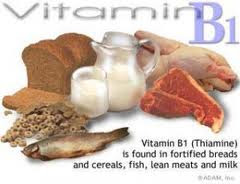
Vitamin B1 (thiamine)

Action
Vitamin B1 is required for oxidative decarboxylation of keto acids (pyruvic and lactic), the synthesis of acetylcholine; it is involved in carbohydrate metabolism and associated energy, fat, protein, water-salt metabolism, has a regulating effect on the trophic and the nervous system.

With insufficient intake of thiamine pyruvic and lactic acid accumulates in the tissues, disrupted the synthesis of acetylcholine, resulting in deteriorating since the functions of several systems, primarily, the nervous, cardiovascular and digestive.

Thiamine enhances circulation and is involved in hemopoiesis.

Thiamine optimizes cognitive activity and brain function. He has a positive effect of the level of energy, growth, normal appetite, ability to learn and is necessary for muscle tone of the digestive tract, stomach and heart. Thiamine acts as an antioxidant, protecting the body from the damaging effects of aging, alcohol and tobacco.

Like all vitamin's B, thiamine has chelating properties.
vitamin b1 thiamine sources

Symptoms of hypovitaminosis
At full avitaminosis, B1 develops the disease of beri-beri: the body is disturbed carbohydrate metabolism, and accumulate lactic and pyruvic acid. In this case, observed damage to the nervous system (polyneuritis, which may end in paralysis), the heart muscle (it lost the ability to effectively shrink the heart of the patient increases, quickens the pulse), gastrointestinal tract (decreased appetite; constipation appeared). Patients with a sharp depletion of the total, partial or widespread swelling.

The primary symptoms develop hypovitaminosis B1 are:

The nervous system:

increased irritability, a feeling of inner restlessness, tearfulness,
depression,
insomnia (occasionally resistant) memory loss,
numbness in hands and feet, pain itch
impairment of coordination,
chill at room temperature,
disruption of the brain increased mental and physical fatigue;
Wernicke-Korsakoff syndrome (peculiar to patients suffering from alcoholism).

From the digestive system:

loss of appetite,
feeling of heaviness or burning in the epigastric region,
nausea,
constipation,
diarrhea,
weight loss
enlargement of the liver.

Cardio-vascular system:

shortness of breath, even at low physical activity,
tachycardia,
hypotension,
acute cardiovascular failure (may develop in some cases, the absence of timely diagnosis and treatment purposes).

Deficiency of vitamin B1 in the blood serum occurs in 25% of AIDS patients. Chronic thiamine deficiency in AIDS patients leads to a variety of neurological symptoms, leading to anorexia and weight loss.

Statement
Hypo-and avitaminosis B1 (beriberi).

Thiamine is used in diseases of the cardiovascular system, such as:

circulatory failure,
myocarditis,
endoarteriit.

Thiamine supplementation is also required when applying diuretic drugs in hypertension, congestive heart failure, because they accelerate its excretion.

Vitamin B1 improves the functioning of the nervous system and reduces pain in various neurological diseases. Shown at:

neuritis,
polyneuritis,
flaccid paralysis
astenovegetative syndrome, etc.

In dermatological practice, thiamine is used in dermatoses of neurogenic origin, skin ulcers of different etiology, pyoderma, eczema, psoriasis.

Thiamine is used in the treatment of organic brain dysfunction, such as "organic brain syndrome, contributes to a better brain functioning in healthy people, increasing learning ability and conceptual capacity in general. In addition, supplementation of vitamin B1 helps the treatment of depression, a number of other mental illnesses. There are data on the preventive effect of thiamine on Alzheimer's disease.

The use of vitamin B1 is indicated for treatment of digestive diseases:

gastric ulcer and duodenal ulcer,
chronic gastritis accompanied by disorders of motor and secretory functions of the stomach,
chronic enteritis with malabsorption syndrome (gluten enteropathy, Whipple's disease, Crohn's disease, radiation enteritis)
enterocolitis,
hepatitis,
chronic pancreatitis with secretory insufficiency
operated stomach disease,
cirrhosis.

Metabolic and endocrine system diseases (hyperthyroidism, diabetes, obesity), is also an indication to receive thiamine.

Vitamin B1 acts as an antioxidant, protecting the body from the damaging effects of aging, alcohol and tobacco.

It is advisable to use for the production of thiamine in contact with carbon disulfide, tetraethyl lead, while working in hot shops.

Dosages
In therapeutic use for thiamine and thiamine chloride, bromide. Both drugs have a weak characteristic odor of yeast.

Drugs administered orally (after eating) and parenteral.

Dose of thiamine bromide is usually used at higher doses than thiamine chloride: 1 mg of thiamine chloride corresponds to the activity of 1.29 mg of thiamine bromide.

Doses by ingestion of thiamine chloride for adults 0,01 g (10 mg) 1-3 times a day. Children under three years - 0,005 grams (5 mg) a day, 3-8 years - 3 times a day, a day older than eight years - to 0.01 g 1-3 times a day. Course of treatment - 30 days.

Malabsorption in the intestine and the need for rapid creation of high concentrations of vitamin B1 in the blood it is administered intramuscularly: adults 0,025-0,05 g thiamine chloride or 0,03-0,06 g thiamine bromide 1 per day for children - 0, 0125 g of thiamine chloride, or 0,015 grams of thiamine bromide. Treatment course - 10-30 injections.

Security
Thiamin is generally well tolerated. Subcutaneous injections are painful because of the low pH solutions.

In rare cases (usually with parenteral administration) may be an allergic reaction (itching, urticaria, angioedema). The most severe reactions can occur with intravenous thiamine.

Allergic reactions usually occur in women in menopause and those suffering from alcoholism.

Vitamin B1 is contraindicated in individuals with drug intolerance in history.

Signs of hypervitaminosis
An overdose of vitamin B1 increases the activity of acetylcholine, which plays an important role in the pathogenesis of allergy.

Long-term introduction of excessive doses of vitamin B1 can lead to discoordination enzyme systems of liver and fatty degeneration, impaired renal function.

Interaction
Not recommended simultaneous parenteral administration of vitamin B1 with pyridoxine (vitamin B6) and cyanocobalamin (vitamin B12), as well as with penicillin, streptomycin and nicotinic acid.

Sulfonamides, as well as alcohol-based products infringe the normal absorption of vitamin B1. An antagonist of thiamine is choline.

Antibiotics, drugs containing sulfur, oral contraceptives, antacids may reduce the level of thiamine in the body.

For transfer of thiamine to its active form requires magnesium.
»»  read more

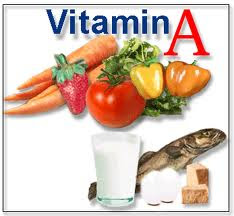
Vitamin A (retinol)

Description
Vitamin A is fat-soluble vitamins, and contains a number of compounds structurally related to:

Retinol (vitamin A alcohol, vitamin A1, akseroftol);
degidroretinol (vitamin A2);
retina (retinal, vitamin aldehyde);
retinolevaya acid (Vitamin acid);
esters of these substances and their spatial isomers.
It was first vitamin was isolated from the roots, so the British carrot (root), there was a name for vitamin A - carotenoids. Carotenoids found in plants, some fungi and algae, and when ingested can turn into vitamin A. Among ba d-carotene, lutein, lycopene, zea xanthin. The best known at the end of five hundred carotenoids.

The best-known carotenoid is b-carotene. He is the precursor of vitamin A (liver, changes in vitamin A, as a result of oxidative cleavage).

ER (retinol equivalent) = 1 mg retinol = 6 mg b-carotene. 1 mg = 3.33 IU (international units)

Events
Vitamin A is a complex redox processes, protein synthesis parameter, the metabolism to promote a common, function of cellular and subcellular membranes and plays an important role for the formation of bones and teeth, and fat is essential to the growth of new cells slows down the aging process.

It has long been known effect of vitamin A value in the eyes, even in antiquity cooked liver - one of the main sources of vitamin A - as a place for night blindness used. Photo reception is necessary, to ensure normal functioning of the visual analyzer is involved in the synthesis of visual pigment into the retina, and eye sensitivity to light.

Vitamin A is necessary to normal functioning of the immune system and is an essential part of infection control. Application of retinol improves mucosal barrier function, increased phagocytic leukocytes unrest and other factors, non-specific immunity. Vitamin A protects next to colds, flu and respiratory infections, digestive, urinary tract infections. The presence of blood vitamin A is one of the major factors responsible for the details that child in developed countries is frequently simpler, diseases such as measles; chicken pox suffered, while in countries with low living conditions of much higher mortality of viral infections "innocent." Vitamin A life-long, straight and AIDS.

Retinol is essential in the maintenance and repair of epithelial tissue, thus the skin and mucous membranes. Not surprisingly, some modern cosmetics contain retinoids - its synthetic analogue. In fact, the vitamin is used in almost all skin diseases (acne, psoriasis, etc.) to handle. Skin lesions (wounds, burns), vitamin accelerates the healing process and stimulates collagen synthesis, improves the quality of tissue formed recently to reduce the risk of infection.

Due to the close of its merger with mucus and epithelial cells, vitamin A a beneficial effect on lung function and is a worthy addition in the treatment of certain diseases of the digestive tract (ulcers, colitis).

Retinol is essential for normal embryonic development, nutrition, and reduce the risk of fetal complications of pregnancy such as low birth weight.

Vitamin A is involved in the synthesis of steroid hormones (including progesterone), spermatogenesis is an antagonist of thyroxine - the thyroid hormone.

When AB-carotene and vitamins are powerful antioxidants, is a tool in the prevention and treatment of cancer, in particular, the prevention of recurrence after surgery.

"Vitamin AB-carotene and protect the brain cell membrane to the ravages of unrestrained radicals, and b-carotene neutralize the most dangerous forms of free radicals. Radical of polyunsaturated fatty acids and oxygen radicals'

Antioxidant activity of b-carotene plays an important role in the prevention of cardiovascular diseases, has a protective effect in patients with angina pectoris levels and high blood cholesterol "good" (HDL).

Lutein and zeaksentin - main carotenoids, which protect our eyes: they help prevent cataracts and reduce the risk of macular degeneration (the main organ of sight), in each case, the third meter is the cause of blindness.

However, another carotenoid - lycopene (the tomato-based) protects against atherosclerosis by preventing oxidation and accumulation of cholesterol in the arteries with low density. In addition to "strong" carotenoids in protecting against cancer, particularly breast cancer, endometrial and prostate cancer.

Symptoms of hypovitaminosis
Vitamin A deficiency is defined as the content of blood serum retinol below 0.35 micromoles / liter. However, even at the level of plasma from 0.70 to 1.22 mmol / l. Significant reduction of vitamin A in the liver, where they accumulate. Vitamin A in plasma begins when its concentration in the liver drops falling to 0.7 umol / g tissue.

Causes of hypovitaminosis:

Lack of vitamin A in food, especially during the winter-spring;
A balanced diet (protein lacks long-term high-grade conflict with the absorption of vitamin A);
reduce consumption of fats (vitamin A is fat-soluble);
liver and gallbladder;
diseases of the pancreas, short intestine;
significant removal of the small intestine, malabsorption syndrome;
Insufficient intake of vitamin E (vitamin E as an antioxidant, prevents oxidation of vitamin A).
Diagnostic clinically significant symptoms of vitamin A deficiency in the body

Premature aging of the skin to form wrinkles

Rose
Increasing pain and temperature sensitivity
Increased sensitivity of tooth enamel
watery eyes to the cold.
Accumulation of crusts and mucus in the corners of the eyes, a feeling of "sand" in the eyes, redness of the eyelids'
weak erections, rapid ejaculation, poor urinary sphincter, etc.
The best-known symptoms of hypovitaminosis so-called "night blindness (night blindness and day blindness) - rapid deterioration of vision in low-light conditions, Vitamin A deficiency leads to changes in almost all organs and body systems.

stain, xerophthalmia (dry mucous membranes, eyes), itchy eyes in the cold, bark structure and mucus in the corners of the eyes, a feeling of "sand" in the eyes, redness of the eyelids, xanthelasma century;
dry skin, premature aging of the skin folds, seborreyny, facial dermatitis, cancer and skin cancer form;
dry hair, dandruff;
hyperesthesia of tooth enamel;
atrophic gastritis, colitis, cholelithiasis, diarrhea, intestinal infections, cancer of the pancreas, liver cysts;
Weakness of the sphincter of the urinary bladder, erectile dysfunction, decreased libido;
cervical erosion, endocervicitis, polyps, adenomatosis, leukoplakia;
breast cancer, breast cancer;
respiratory infections, sinusitis, pneumonia, frequent colds, chronic bronchitis, bronchiectasis, lung cancer;
anemia;
cellular immunodeficiency;
disorders, delayed growth;
increasing pain and temperature sensitivity;
insomnia, fatigue.
Statement

Vitamin A is prescribed:

in various diseases of the skin and mucous membranes (thrush, Seborrheic dermatitis and other allergic symptoms);
in diseases of the eyes (conjunctivitis, keratitis), receiving daily retinol improve adaptation in the dark;
to activate the process of healing and regeneration in the treatment of burns, wounds, fractures;

Retinol is a member of comprehensive therapy for treatment of:

acute and chronic pneumonia
acute and chronic liver and gallbladder.
Use of a vitamin in the iron-deficiency anemia, because a direct correlation between plasma levels of retinol and iron concentrations in serum.

Benefits
Vitamin A was appointed interior, intramuscular and local (government).

Vitamin A is used for prophylactic and therapeutic benefits. Preventive benefits are determined according to the daily needs of the human body vitamins. The use of vitamin A for therapeutic purposes should be strictly supervised by a physician.

Therapeutic doses of vitamin A deficiency disease of mild to moderate amounts to boost ME 33000 (0.01 g) per day for children - 1000 to 5000 hours daily. Skin disease in adults - 50000-100000 Me, Children - 5000 - 10.000 ME per day.
a rich source of vitamin a (retinol) is

Single doses of vitamin A should not exceed 50 000 ME for adults and children at the European Championships 5000, diet - 100,000 adults and 20,000 children to MS.

Daily preventive dose of vitamin A for adults is 3,300 IU.

When pregnancy is not recommended during 6000 with vitamins, a day, in large doses, has teratogenic effects, may cause birth defects in children. Toxic effects were observed at doses more than 25,000 IU daily. Pregnant women should not use cod-liver oil.

When planning a pregnancy should also be borne in mind that retinol accumulates throughout the body, and if a woman treated by high doses of vitamin A during pregnancy is older than six months after discontinuance of retinol.

Children need more than 18,000 MS vitamin per day during the month.

Security
Beware of vitamin A should be considered in patients with allergic diseases such as asthma symptoms in some cases the level of carotene and retinol levels increased.

With hypothyroidism should avoid the use of b-carotene because the body can convert into vitamin A.

Signs of hypervitaminosis
The overdose of vitamin A can be abdominal pain, delayed menstruation increased liver and spleen, gastrointestinal disorders, hair loss, itching, joint pain, nausea, vomiting, small cracks on the lips and corners.

In chronic hypervitaminosis said:

dryness and pigmentation to the skin, hair loss, brittle nails,
pain in joints and bones, scattered thickening of bones,
enlarged liver and spleen, and dyspeptic symptoms.
Interaction

The long-term use of vitamin A is necessary to take vitamin E because of his absence at the same time prevents the absorption of vitamin A.

Conversion of vitamin A in its active form, contributes to zinc, as zinc deficiency leads to disruption of the absorption of vitamin A.

There is evidence of negative interactions with alcohol-carotene, a combination of liver damage as possible to a greater extent than when only alcohol, you must use an account in the general use and a range of alcoholic products.

When drugs that lower blood cholesterol levels should take into account that they can be fat to absorb vitamins and fat-soluble, and thus taking the vitamin should be discontinued performed in different time periods in hyperlipidemic agents.

Vitamin A should not be in accordance with retinoids, such as the combination is toxic.

When the laxative mineral origin impaired absorption of fat-soluble vitamins, including a vitamin A.
»»  read more

Vegetables and fruit in winter

To fit and healthy to get through the cold season, a well-functioning immune system is necessary. Therefore, care should be taken especially in the winter to ensure sufficient supply of vital substances. The increase in fruit and vegetables contain vitamins and minerals your immune system and can thus protect us from troublesome colds. The most well-known antioxidants include vitamin C. The fat-soluble vitamin A and E are significantly involved in immune protection.

Vitamin C is sensitive to heat, air and light. Therefore, fruit and vegetables stored for a short and carefully prepared to be (short cooking times for vegetables). Since vitamin C is water soluble, it is to preserve the vitamin content better to steam the vegetables instead of cooking. Fresh fruit and vegetables should be stored in the dark and cool. To the best body to supply vital nutrients, they should be included throughout the day. No wonder the DGE recommends "5 a day" so five servings of fruits and vegetables daily.
vegetables and fruits that grow in winter
Among the vegetables with high vitamin C content include peppers, kale, broccoli, cauliflower, Brussels sprouts and fennel. When the fruit is acerola (also maple cherry) of leaders, citrus fruits and apples are also among the favorites. It rose hip and sea buckthorn as well have a very high content of this vitamin. Kitchens are more likely to outsiders.
»»  read more

Vitamins

Vitamins are vital for our body and its functions. The main vitamins are vitamin C, B1, B6 and B12. Vitamin C is as a scavenger of free radicals - is it cold so it is strongly recommended five times to eat on the day as a fresh and unprocessed orange, contained Vitamin C captures the free radicals from the body produce during a cold - so you can quickly recover.

The B vitamins are responsible for the nerve control functions in the body; one has here a deficiency, it is often noted as the twitching of the eyelids without having to be moved. Older people sometimes have a malabsorption in the intestine, which means they can split the recorded vitamins are not food by, so use - fruit and vegetables to eat, but the body cannot utilize it. For them, it may be advisable to have given in the older age of vitamin substitution via intramuscular injections - in advance but should be determined in each case, a blood status.

If you get a salad of fruit or vegetable's cook, so it is significant always a drop of oil, suitably pure olive oil, the salad into it to give in to. Without the oil, it is important the body is impossible, the fat-soluble vitamins contained in food to split.

For vegetable, salads can use sunflower or olive oil. To make the salad recyclable, you can use unflavored safflower oil - one teaspoon per salad is perfectly adequate, the preparation may otherwise take place as usual.
vitamins vegetarians should take
To get fruit and vegetables having a very high vitamin content, the recommended shopping at the market. In fruit from the region, the transport routes are short and the quality is good accordingly. Who has its own garden and has no work should shy away from fruit, and vegetables can grow? This is the one convenient, and you always have everything available fresh.

If you get a salad of fruit or vegetable's cook, so it is significant always a drop of oil, suitably pure olive oil, the salad into it to give in to. Without the oil, it is important the body is impossible, the fat-soluble vitamins contained in food to split.

For vegetable, salads can use sunflower or olive oil. To make the salad recyclable, you can use unflavored safflower oil - one teaspoon per salad is perfectly adequate, the preparation may otherwise take place as usual.

To get fruit and vegetables having a very high vitamin content, the recommended shopping at the market. In fruit from the region, the transport routes are short and the quality is good accordingly. Who has its own garden and has no work should shy away from fruit, and vegetables can grow? This is the one convenient, and you always have everything available fresh.
»»  read more

Vitamin D intake in winter

In recent years more and more voices to be adequate Vitamin D intake is absolutely necessary for our health and well-being. Vitamin D is the only vitamin that the body can form by the sun itself. It is particularly important for the calcium and phosphate metabolism and thus, in particular, for the teeth and bones.

Vitamin D deficiency can cause the following symptoms
  • Osteoporosis
  • Cancer , especially bone, breast and prostate cancer
  • Renal failure
  • Alzheimer's
  • PMS
  • Depression (especially in winter)
  • Parkinson
  • Sunlight - the best source of vitamin D
The most natural, and therefore, the best vitamin D source for our bodies is undoubtedly the sun dark. But what can we do if we are a place to live in where we are not sun gotten enough to provide the necessary dose of vitamin D to obtain?

There are alternatives to sunlight.

For those who live in a place where the sun during the winter months is very low, there are alternative ways to replenish the vitamin D status sufficient:
vitamin d in winter time
1) Spend as much time as possible outdoors, take advantage of the few sun. Take their lunch outside and walk, even if her face and hands are the only body parts that are not covered.

2) Apply on sunny days, no sun protection. It's remarkable how lots of skin creams have a sun protection factor. These creams usually contain many chemical substances that do not irritate "only" the skin and can make you sick. The chemicals enter the bloodstream and ultimately, the whole-body burden.

3) Even the sun bed can help to increase the vitamin D content in the body. Modern instruments have a balanced UVA / UVB mix. You should use this possibility but only selectively and tanning in no way exaggerating.

4) Replace your light bulbs in the house and / or at work by a full-spectrum light body! Daylight Hellem under full-spectrum light proved to be more vitamin D is formed in the body.

5), Egg yolks, salmon, & mackerel are the foods with the utmost Gehlt vitamin D. asked the fish consumption but generally ensures that this does not come from polluted waters.
»»  read more

Vitamin D in Multiple Sclerosis

Vitamin D could - according to a new study - an extremely valuable tool in the treatment of multiple sclerosis (MS). This may not even have to launch out, because a regular dose of sunlight, the body's vitamin D production to stimulate such a way that can alleviate the symptoms of multiple sclerosis with it.

Multiple sclerosis exposes the parties themselves unable to provide for themselves and ultimately bring some into the wheelchair.
Multiple sclerosis - symptoms and disease progression

Multiple sclerosis (MS) is a devastating disease with so far little hope of true healing. In Germany, around 150 people per 100,000 suffer from multiple sclerosis. In most cases, it affects young people between 20 and 40 who are in the prime of their lives. The illness makes them unable to care for themselves and ultimately bring some in a wheelchair.

Multiple sclerosis is a chronic, inflammatory autoimmune disease that affects the central nervous system (brain and spinal cord, and occasionally the optic nerves). Throughout the disease slowly hardens the outer layer of the spinal cord. This allows the electrical impulses of nerve cells (the brain from the rest of the body and vice versa on the way) are no longer happened; they are interrupted.

This leads to various symptoms such as numbness, paralysis, pain, swallowing problems and visual disturbances (Blurred vision, double vision, etc.). In time, the force can be significantly slower after and movements, until finally no longer possible. However, MS patients do not necessarily end in a wheelchair. The majority even years after an onset in a position to go to myself.
use of vitamin d in multiple sclerosis
MS also runs in most cases in batches; that is, the symptoms may regress completely after a boost (until the next relapse). It can as well be permanent neurological damage and increase thrust-to push on.

Multiple sclerosis - School Medical therapies of dubious efficacy

The conventional medical treatment of multiple sclerosis does not lead to healing, but - with luck - to a relief of symptoms. During a push given to high-dose steroids and any drugs that inhibit cell growth and cell division, the (cytotoxic drugs, under the designation of chemotherapy administered to cancer patients as well).

Furthermore, be prescribed medication for the individual symptoms (antidepressants, anti-pain, etc.). In the long-term to try this immune system with certain drugs alter one hand, on the other hand, to suppress, however. It is known that cannot be performed for all drugs used in multiple sclerosis is a convincing proof of efficacy.

Some of these medications may take a person in his life no longer than two to five years, because otherwise life-threatening conditions must be expected. Other typical MS drugs (beta-interferon) to increase the risk of cancer and some can cause inflammation in the brain.

Beta-interferon is also incidentally led to depression, whereas antidepressants will soon be prescribed. These usually have again a long list of side effects, but of course, it against the drugs is also ...

New study shows vitamin D prevents MS attacks

The therapy situation for Multiple Sclerosis sufferers is anything but satisfactory. A new study by the University of Toronto on the influence of vitamin D on the progress and development of multiple sclerosis is every reason to hope.

Multiple sclerosis patients who took during this study very high doses of vitamin D (an average of 14 000 IU per day, 1 IU - International Unit - corresponds to 0.025 micrograms of vitamin D3), could successfully prevent new episodes. Your body functions also deteriorated since any further, and they noticed no negative side effects.

Researchers warn of active vitamin D doses.

Despite these very positive results, warns one MS patients against taking more than 4,000 IU of vitamin D, because the therapy is not as safe at higher doses is true. At the same time, however, was detected in this same study had shown that taking a dose of only 4,000 IU per day in multiple sclerosis absolutely no effect.

It, Furthermore, has been demonstrated in several studies that high doses of vitamin D are quite safe. Yes, even the University of Toronto, it was himself, who had announced in a vitamin D study, that there is "no evidence of negative effects in the daily intake of 10,000 IU vitamin D" would be. Generally, a chronic overdose can occur only if one were to take over many months, 40,000 IU in the form of preparations.

Sunlight instead of pills

Warnings are still taking a naturally skeptical. Vitamin D but not now necessarily be taken in pill form. Since vitamin D by the human organism under the influence of sunlight itself can be produced, it is sufficient to skin daily exposure to the sun. This way, you can provide, for free with enough vitamin D - and is also a not the slightest risk of a vitamin D overdose.

Sunbathing to secure the vitamin D supply

Put on swimsuit or bikini so to go and get into the sun. If it is too cold for bathing suits, after that make sure the simple fact that you present as much skin as possible to direct sunlight. If you have fair skin and remain in the sun on your skin is a little pink, then this corresponds to about 200,000 IU of vitamin D. Our own body produces that is, within a very short time an incredibly large amount of vitamin D - and never was from an overdose of vitamin D reported due to as well much sunlight.

Equally interesting is the fact that multiple sclerosis occurs not as much frequently so the closer a person living at the equator. Some scientists conclude that multiple sclerosis may be among other things, the result of a chronic vitamin D deficiency, simply because people from northern climes expose their skin to sunlight much less often and make their body, therefore, hardly vitamin D can.

Simultaneously, the nutrition in the northern industrial countries today is extremely vitamin D-poor. The Inuit (Eskimos) in Greenland, for example, enjoy the sunlight despite a chronic lack of an optimal vitamin D level because they eat freshly caught or in spite of dried fish and offal. Conversely, those who in the south and closer to the equator, lives enjoys the year in shorts and sandals and needs - even without fish and offal - through its vitamin D supply to break any second head.

For people in the Central European industrial countries, all this means: raising and bathe regularly as much skin as possible in natural sunlight.

The protective effect of vitamin D

Vitamin D effects over 1000 genes in the human organism. Always prove again studies have shown that a lack of vitamin D is instrumental in the development of many diseases. These include rickets, high blood pressure, stroke, heart attack, diabetes, bone fractures, different types of cancer - and multiple sclerosis. This means that optimal care is essential with vitamin D in the prevention of these diseases.

The higher vitamin D levels in the blood, the lower the risk of MS

As early as 2006, in the Journal of the American Medical Association (JAMA 2006 296: 2832-2838) a published study, the relationship between vitamin D levels in the blood and made ​​clear the MS.

Dr. Kassandra Munger of the Harvard School of Public Health and her team had a database that contained seven million people; multiple sclerosis patients selected 257, of which at least two blood samples were available; the five years before the outbreak of the disease lost about had been.

The vitamin D level of these blood samples was compared with the vitamin D levels had remained a healthy control group. It turned out that the risk of developing MS, (in people with white skin color) with increasing vitamin D levels decreased.

Vitamin D reduces the number of patches of demyelination

Another study showed that it could be reduced in MS patients, the number of so-called demyelinating (hardening of positions) in the spinal cord by taking 7,000 IU of vitamin D per day. And so pushing many researchers - mainly in Scotland, where multiple sclerosis is particularly widespread - for years to secure the vitamin D supply of people to ward off MS already possible in advance.

While the pharmaceutical industry so feverishly for new drugs to treat multiple sclerosis studied, while Britain urges his prime minister to devote millions of pounds of stem cell research to fight with the help of one day. Multiple sclerosis may, during the Multiple Sclerosis Society of Canada more and more training centers set up for the multiple-sclerosis researchers; you could as easily put clothes in the sun, there absolutely free to increase your vitamin D levels and thus immune to multiple sclerosis.
»»  read more

Vitamin D is vital

Vitamin D has a key function for the health because it is involved in thousands of regulatory processes in the human body cells. A deficiency increases the risk of disease considerably - especially in winter when the sun in the northern regions of the earth is too low for adequate UV radiation. Out but the body is dependent, because vitamin D is formed around 90 percent by UV irradiation of the skin in the body itself.

The formation of vitamin D

Until a few years ago it was thought, the enthusiastic form of vitamin D will make use of sunlight in the liver, kidneys and skin formed. Thanks to the American scientist Prof. Michael F. Holick, professor of medicine, dermatology, physiology and biophysics and discovered the active form of vitamin D. We now know that not only the cells of skin, liver and kidney, but obviously, every single cell in the body of can form functioning vitamin D. Professor Holick believes that the active vitamin D is therefore, not only colds, flu and bone diseases such as osteoporosis prevent rickets, but in the prostate, breast and intestinal cells, for cancer typical unhealthy cell growth site prevents direct.

Alarming deficiencies of vitamin D in Germany and USA

The prestigious Robert Koch Institute in Berlin has for the Federal Health Ministry; a representative study on the vitamin D supply in Germany carried out. A report about it appeared in the international journal "European Journal of Clinical Nutrition" because the findings are alarming.

In more than half of the 4,000 surveyed people of all ages a partially significant deficit of vitamin D was found: The vitamin D level was in the blood of 57 percent of men surveyed and 58 percent of women below the critical limit. For those over 65-year-old women were 75 percent under-supplied. In the winter months, the deficits observed were even higher.

Similar results applied vitamin D studies in the USA. Vitamin D deficiency was found in

  • 40 percent of the total population
  • 32 percent of doctors and medical students
  • 42 percent of African-American women
  • 48 percent of girls aged 9 years under 11
  • 76 percent of all pregnant women
  • 81 percent of the newborns of these women
  • up to 60 percent of all hospital patients
  • up to 80 percent of patients in nursing homes.
  • Awareness deficits as the cause of the causes
Dermatologists do not like sun

To most people, the health aspect of sunlight is not aware of, and the reason for this is, unfortunately, once again related to the commercial sector.

It contributed to the awareness deficit also have many dermatologists who indicate constantly on the "dangers" of the sun rays. Some in spite of recommend avoiding sun exposure altogether. Of course, excessive sun bathing is harmful because it can even lead to skin cancer. However, sunlight in measured quantities is not only "allowed," but essential.
vitamin d is important in the absorption and metabolism of

Sun can not be sold

Vitamin D is perhaps the most underrated vital substance at all. Probably, because sunlight is free of charge and is not sellable. Therefore, there does not advertise the health benefits of the sun, but only for the benefit of sunscreen. These benefits can be measured in billions. Profits for pharmaceutical companies, and as healthcare costs.

Because: Even sunscreen with the low sun protection factor of 8 can reduce the production of vitamin D by 95 percent already. Against this background, it makes sense then that the dermatologists warn of the sun (or perhaps should be warned of the more sun protection products?). And this fits into the picture that the " American Academy of Dermatology AAD by the sunscreen manufacturers to be funded. And that does not even have a secret to be, because everything is for the benefit of the people who are so protected from the evil sun.

Care with lack of vitamin D

In the first three seasons, people build their vitamin D levels and stores in body fat and a storage for the winter. In obesity this does not work: Although vitamin D is stored in body fat, then more but not delivered. Therefore, suffer most obese people (also) of vitamin D deficiency.

Beware of bone problems

Bones need calcium. Calcium, the body can only absorb and recycle but if (even) enough vitamin D is available. Otherwise, osteoporosis and other bone diseases may be the result, including rickets. This is nothing other than a Knochenauszehrung.

Caution without end

"Vitamin D has a key function for health," it is the beginning of this report. According to the epidemiologist, Cedric Garland of the University of California at San Diego, USA, vitamin D deficiency in the development of tumors involved fundamentally.

Annals of Epidemiology "writes Garland:" The first event in cancer is the loss of communication between cells, among other things, by low levels of vitamin D and calcium "developed this poor a power-play key role in the process, the healthy cells into tumor cells. Followed by the loss of cell communication, according to Garland's mutations of the genes. Garland admits that his model was not yet proven scientifically, states, that now suggest hundreds of epidemiological studies on a basic role of vitamin D deficiency in cancer development. A balanced Vitamin D supply could prevent many of these processes.

Good advice for free

In winter

From October to March is missing from the body, the solar power, thereby to synthesize vitamin D. Even if the sun shines in winter, it is too low for adequate UV radiation with which the skin makes vitamin D from the preform in winter, a healthy man of vitamin D stores in fat lives.

The longer the winter, the least of this stock, therefore, the influenza outbreaks are usually done in February and March. However, you must not be equal to winter sports enthusiasts to use alternatives in this time of a year.

In the summer

From April to September, is soaking up the sun however, not too often and as well much. Day for ten to fifteen minutes arms and face meet in the sun. By the way: Glass is opaque to the ultraviolet radiation from the sun. With closed windows in the car or house can make the skin so no vitamin D.

Silly and enjoyable alternatives

Some doctors believe that vitamin D in sufficient quantity can be obtained from food. This is theoretically correct but practically void. For to this day would have at least ten glasses of milk or vitamin D-fortified orange juice drink with.

Alternatively, it would have three to five times per week fatty fish such as mackerel or salmon are eaten to ensure a sufficient amount of vitamin D included. Since it is perhaps less demanding, from time to time to go to a solarium. However, please, not to brown roast over-dose irradiation times. UV radiation also can refuel delicate beauty with a distinguished pallor.
»»  read more

Research On Vitamin D Deficiency

One follows the publication of a new study on Parkinson's disease and vitamin D deficiency; it is found that mainstream media have distorted the results of this study.

The Study: Vitamin D deficiency leads to Parkinson's

The study was conducted at Emory University, Atlanta; USA carried out and results in the journal Archives of Neurology "published. Of the 300 studies examined a participant's mode already 100 people were diagnosed with Parkinson's disease; 100 were suffering from Alzheimer's disease, and the remaining 100 participants were considered fit. 90 percent of healthy individuals received adequate vitamin D levels in the blood to be high, whereas in the Alzheimer group, merely 84 percent and 77 percent of the group only in Parkinson's. The study did show that a statistically significant interaction between a low vitamin D level increased the risk of Parkinson's disease and there.

This result surprise no one who knows even a little with the vitamin-D. This vitamin, which is actually a hormone, has great influence on the nervous system. There are numerous studies that the beneficial effects of vitamin D on cognitive abilities (perception, learning, remembering, thinking) course. So it is not surprising noticed that patients with a vitamin D deficiency by reduced brain function, and that these patients may suffer from Alzheimer's or Parkinson's.
research on vitamin d and cancer
The media: vitamin D causes Parkinson

In some major media, the results of this study simply turned on its head: In the news, just missing the word "shortage" after "vitamin D." Thus, a malicious message that the opposite of common, what the outcomes of the study were actually produced. In the media could read now and may cause the vitamin D and sunlight to Parkinson's disease. The opposite is the case. The body can produce vitamin D only under exposure to sunlight and in turn reduces the risk of developing Parkinson's disease.

Who might have an interest in the message that sunned exposure causes Parkinson's disease can, and that you should protect yourself from the "dangerous" sun rays? Manufacturer of umbrellas had not nearly over as much money as manufacturers of sunscreen products, which are among the chemical and pharmaceutical companies. If by mistake or deliberately false information was given only once by a PR agency or news to the media and then spread by the media, they are found soon, even under very different "senders" on the Internet. Thus, to multiply misinformation to infinity.

Editors lose their jobs

The media are related to funds provided by the chemical and pharmaceutical companies for advertising, in urgent need. Therefore, they will not allow editors to report against these groups. That could cost him his job. This is about a lot of money for the publishers and broadcasters: The pharmaceutical industry spends on advertising, sales promotion and public relations more money than for research. For the startled readers may be at least this is a small consolation: The information about promotion and research money was in some major media.

Check out this post on to vitamin D
»»  read more

Vitamin D deficiency prevented

During the last few years, every effort has been made for it to represent the sun as the enemy of the people or his skin, now the truth to light penetrates. Health experts warn against an excessive use of sunscreens, because they increase the risk of vitamin D deficiency significantly.

Health experts urge regular sunbathing without sun cream.

In Britain recently, seven health organizations - including Cancer Research UK and the National Osteoporosis Society - made ​​a joint statement in which they urged that the population had more of the sun.

For decades, was warned of the possible dangers of direct sunlight. Now, however, several studies refute the assumption that the sun is dangerous and outright instead show their vital importance to human health.
can vitamin d deficiency prevent pregnancy
So now agree the health experts agree that human's regular sun exposure for adequate vitamin D formation and thus for its health require urgent - and that without the sun exposure by sun cream and sun cream are blocked.

Sunscreens lead to vitamin D deficiency.

The constant warnings about the sun have brought millions of people to stay out of the sun or einzucremen before going into the fresh air, at least with sun blockers. The use of sunscreens and sun block has slightest two drawbacks: First, the organism with the chemicals in the sunscreen -loaded and secondly, the blocking of solar radiation leads to the fact that the body no vitamin D can be formed.

The organism is, after all or dependent in large part by a vitamin D intake from diet. Vitamin D is a part, but mentioned at most in very tiny doses in food and the other preferably in such foods are now eaten rarely or only in small quantities (e.g., fatty fish and liver). Consequently, the vitamin D supplies are barely covered food alone. A chronic Vitamn D deficiency is the result.

Vitamin D deficiency promotes the development of lifestyle diseases.

In the March 2010 issue of the journal Journal of Clinical Endocrinology and Metabolism was a study published ; unbelievable 59 percent of the population in industrialized countries of a vitamin D deficiency should suffer after. The lead investigator, Dr. Richard Kremer of Health Center of Mcgill University in Montreal, Canada said:

An abnormal vitamin D level is associated with a variety of diseases.
These include cancer, osteoporosis and diabetes, as well as cardiovascular diseases and autoimmune diseases (e.g. Type 1 diabetes, multiple sclerosis, rheumatoid arthritis, allergies, etc.).

Vitamin D helps weight loss.

In Dr. Kremer's study also showed very clearly the link between a lack of vitamin D and the accumulation of body fat. In other words, sunlight supports the reduction of body fat and thus weight loss in overweight individuals.

Vitamin D activates the immune system.

Further research proved the influence of vitamin D on the human immune system. Professor Carsten Geisler of the Department of International Health, Immunology and Microbiology at the University of Copenhagen in recent studies showed that the T-cells are the immune system without vitamin D is inactive and therefore, offer little or no protection against pathogens such as viruses.

T cells belong to the exact immune response of the body; that is, they will defuse a very specific pathogen or alien cells were systematically trained. However, they can become active only when vitamin D is in the bloodstream. Simply then start the T-cells to detect the intruders and ensure their destruction.

Several times a week in the sun!

So it's worth many times over when we get back more often and above all, enjoy the sun regularly.

Some messages and messages on the solar radiation in the past were too negative.
Professor Rona Mackie said of the British Association of Dermatologists in the BBC news.

He suggests several times a week held for 10 to 15 minutes without sunscreen and easy to go to the sun. These moderate sunbathing can be sure of the vitamin D formation and also no goes to skin cancer risks.
»»  read more

Vitamin K For Anti Mesothelioma

Vitamin K2 compounds (menaquinones) can be prepared from the bacteria in the gut and a smaller quantity of human vitamin K requirement water-soluble preparation for the adults as well as vitamin K3 (menadione). Vitamin K injections remain the best defensive measure to reduce the hemorrhage in the newborn. Vitamin K is comprehensively metabolized in the liver and excreted in bile and urine. When the tracer experiments showed that about 20 percent of the inject dose of phylloquinone was excreted in the urine, while 40-50% is excreted in the bile fasces (10), was excreted in part as to whether the injected dose was 1 mg or 45mr.

Vitamin K provides the required coenzyme of vitamin K-dependent carboxylation of amino acids. It is important to identify proteins that play a role in blood clotting. Vitamin K deficiency is rare in healthy adults. If you have a little of an anticoagulant, before the intake of vitamin K in your diet that you contact your doctor.

Vitamin K is given under the supervision of a physician, as a newborn until the bleeding (bleeding) to prevent blood clots, and patients whose blood is too thin. Vitamin K is also used for the prevention and treatment of osteoporosis (brittle bones) and as well some sort of mesothelioma cancer.

Vitamin K is in the body; it is consequential to control blood clotting and protein synthesis in the liver, which regulates the clumping. Making significant prothrombin, which is a prerequisite for thrombin - an important factor in blood clotting. Vitamin K is essential nutrient needs of the liver, the formation of substances that promote blood clotting and prevent bleeding. There are three types of vitamin K. Vitamin K is via the liver to make prothrombin. There are several diseases, which prevent excessive clotting in the body is desired.

PT is slightly elevated and deprived intake c - foods can be tried only if the vitamin is said to be increasing due to the low oral administration of vitamin K can be made in emergency situations. Vitamin K is involved in the formation of large-scale changes in certain proteins that bind calcium. Vitamin K-dependent enzyme modification of virtually every organ and cell type, for which they studied. Vitamin K is no longer hypertension and stroke. Vitamin K is ideal for asbestos diseases like mesothelioma or fight.

Vitamin K is important to combat mesothelioma based on the use of vitamin K in the liver for at least four different types of proteins that help blood clot formation. And it activates at least three proteins essential to bone health. Vitamin K is fat soluble and so is usually found in colostrum and milk for the hind legs, which puts a different perspective, whether the milk has very little vitamin K or not. Vitamin K makes a particularly instructive example of the energy transfer. An important principle is the vitamin K system can be called the "Capacity building of the original."

Leveraging the strength of the base sequence of the free energy of oxygen in the vitamin K hydroquinone (vitamin KH2) is a weedy base to change a solid base to deliver the selected removal of the proton glutamate (Glu) residue in the blood clot protein, Vitamin K, which. Therefore, is an excellent tool for mesothelioma cancer.
»»  read more

How Alcohol and Drugs affecting the absorption of vitamin

Alcohol and drugs (legal or illegal) influence the way your body absorbs and uses vitamins. Drugs and alcohol affect the body's functions and have an influence on how the vitamins the body really works.

While those who like to occasionally beer or wine will benefit from many of the vitamins in your system to lose, they not completely prevent your body is working properly. However, for those people who are chronic alcoholics, who are regularly and more than a reasonable amount of liquor can be seen, in fact, harmful effects of alcohol.

Alcohol affects the process of the human diet. Vitamins should be to maintain normal metabolism and body functions. Chronic drinking damages the body's ability to take vitamins and causes a person to be a critical shortage in many vitamins the body needs. This is because lingering alcoholics do not eat much. So, not only in preventing the absorption of alcohol, but they just do not take the right amount of vitamins.

Alcohol also inhibits fat absorption, which means that they do not get fat-soluble vitamins that they need. Alcoholics often lack vitamin A, D, E, C and K. All these vitamins are necessary for wound healing and cell maintenance, and that means that there are more alcoholics and a bruise does not improve as quickly.

Drugs are also effects on the body. Marijuana found in many foods cause unwanted side effects. A recent study showed that marijuana users really are at finer risk of cancer and heart disease. This is because the drug's own negative impact on lifestyle changes, such as poor diet, smoking and a greater increase in drinking. In particular, the body suffers the most from lack of a balanced meal, for example; marijuana users are known to get "munchies," but they tend to nibble on the fruit or vegetables.

Stimulants such as methamphetamine, cocaine and crack, causing the person's loss of appetite and significant weight loss is. Many of these people go for days without food, and also often suffer from dehydration. This means that they are greatly lacking vitamins and minerals they need.

All people should daily multivitamin supplement, but users of alcohol and drugs, in particular, the need to ensure that they meet their nutritional needs and the use of a multivitamin supplement regularly.
»»  read more

Choose Power Foods with the maximum vitamin B12 Content

To maintain a diet that contains appropriate amounts of vitamin B 12 is essential. This is a family member of Vitamin B-complex vitamin is responsible for back-up cell division and growth of healthy nerve cells in the right. Vitamin B12 is also important for optimal development of red blood cells.

Vitamin B12 deficiency may be a minor impact on the health of your covenant. You may experience some symptoms of lack of evil, such as fatigue and joint weakness, numbness, pain, nervousness and pallor. Deficiency can cause severe disruptive symptoms of anemia, mania, depression, and impaired blood clotting.

More than likely, you need to build a diet that is rich in vitamin B12. Bleakly, animals and plants do not produce this vitamin. It is synthesized by bacteria and can only be transferred to plants or animals.

Information, which is a good food to be able to significant reduced vitamin B12. So here is the easy tunnel, which would help create a diet that contains a high vitamin B12.

Set Top of vitamin B12 from food

Vitamin B12 is found in various foods from the sea. That your diet contains enough vitamin B12, you should eat lighter at least four servings of fish a week. One part is often equal to 140 grams.

If you want the food to the sea, is entitled to a higher amount of vitamin B12, which should be the focal point short of fatty fish, crustaceans and shellfish. For example, put the mussels in the richest amount of B12 is 98.8 micrograms per 100 g serving. In addition, mussels are rich sources of vitamin B12 included extra oysters and mussels. Shellfish can be eaten raw, boiled or steamed. You can get copper, iron, zinc, and from them.

Prepare your meals more fun, you can add another seafood in their diet, such as caviar or fish for mackerel and more oily fish, crabs, squid and lobster.

The best animal sources of vitamin B12

The liver is an important source of vitamin B12. Him to have the highest concentration of vitamin B12 to 85 micrograms per 100 g serving additional opportunities for beef liver and beef liver. You can configure the liver paste, or you can eat baked or fried liver with onions, garlic and exotic herbs.

Red meat is also a source of vitamin B12. 3 ounces of steak contain as much as 11 micrograms of vitamin B12. Beef and lamb are also a great source. However, make sure you choose a thin muscle, because lamb fat is very high in cholesterol.

Vitamin B12 in milk and eggs

B12 supplemented your diet should always include milk and eggs to eat. Make it a habit to drink fat or fat-free milk every day. You also need to eat 3-4 eggs a week and try to think of the yolk. Finally, you have to eat big chunks of Swiss cheese for breakfast and snacks. These dairy products are good sources of vitamin B12.
»»  read more