Showing posts with label Diabetes. Show all posts

Lime Chicken - a method description

Lime Chicken - a method description

Introduction:
Classified tendinosis represents a clinical challenge to both patient and treat. For large Scale formation in the subacromial space so the patient will in many cases end up with a acromionresection to create more space.

A method that is constantly evolving but now sailing up as a good option, lime chicken. The method is that you under sonographic guidance and local anesthesia, enters shoulder tendon with an injection needle. It is then pumped into numbing agent (fast-acting local anesthetic). The air flow from inside the chalk formation ensures that the cup that dissolves flushed into the syringe and the level of calcium in the tendon reduced.

The treatment is concluded by conducting a dry needling of residual calcium remaining in the tendon for the body to break this down even, should it be necessary. In order to avoid a sharp inflammation of the subacromial bursa after the procedure so inserted 1 ml kenacort (cortisone). This ensures that the patient does not get severe pain after the procedure, and since it goes into slime bag so it does not prevent macrophage task of eating the chalk formation after surgery or healing, the tendon tissue after dry needlingen.

The patient comes to the control after 4-6 weeks, considering the need to repeat the treatment.

Lime Chicken:
Lime Chicken is a method that is increasingly well documents in research. There are described several methods, both with one and two injection needles. If one uses the technique with one needle so it is important to place the needle correctly in classification. It is also essential for the result that the classification are of such type that it can be dissolve. This can in some cases decide in advance in connection with the ultrasound scan. Chalice indeed appear as a by this time, structure in otherwise normal tendon tissue, and it provides some "shadow" in the picture that indicates that it has a harder consistency than the rest of the tendon tissue.

Classification that have stood for a long time can provide a powerful shadow on the ultrasound images. These classification are often impossible to resolve with rinsing, and you must change the technique to dry needling as described later in this article.

Method with 1 needle:

Pull up about 4 ml numbing agent in a 10-20 ml large syringe. Select a gross injection needle of sufficient length to reach the chalk formation under sonographic guidance. Needles of 50 mm is suitable often. The thickness of the needles should be 19-21G. Less serious injection needles tend to clog with lime enters the classification and the method will not work as intended. Make sure you start to inject some numbing agent on the way in when you pass bursae and controls the needle into the chalice. This way you avoid clog the needle and the patient will be sedated enough so that the interference is not experienced pain. There is no need for anesthesia before surgery.

Once you have placed the needle in the cup so it is important not to lead the needle too far. If one causes the needle through the cup and into the tendon tissue on the other side, so you create an output of the solution. It will make it impossible to create enough pressure in chalk formation to get this to flow into the needle and into your syringe.

Do not be impatient if it does not come any scale back the syringe immediately. Pump gently and rhythmically the sprayer. Tap and release immediately. Slowly but surely, they will loosen calcium crystals from tendon tissue and follow the solution back into the syringe. It is crucial that you now hold the rear end of the syringe below nåletuppen so that gravity can do prevails.

Keep on with the technique until you notice that it comes out more lime. Then you can gently try to change the position of the needle and continue. When you can no longer get out more calcium you need to do an evaluation if you have removed enough to end the procedure. If you are successful then optimally remove the needle, and ends the procedure of putting 1 ml kenacort (cortisone) mixed with 2 mL Marcaine (local anesthetic) into the subacromial bursa. This is also under sonographic guidance to ensure proper placement. Due to the procedure ends with a cortisone injection in the slime bag because it will leak some lime into this during the procedure, and this creates a powerful bursitis. To prevent the patient is in pain after treatment, so you set the quick-acting cortisone. This does not appear to damage the healing, the injury or the body's ability to absorb the rest of the cup.

If you closed the lime chicken not feel that you have gotten out enough calcium, or parts of it are hard to wash out, so you can stop the procedure by performing a sonographic guided dry needling of residual calcium in the tendon. This causes the cup to fragment so that the body can break down the rest.

Method with 2 needles:

Method with two needles are relatively similar with one needle. The only difference is that one uses one injection needle for pumping the liquid to loosen the lime, and build up the required pressure inside it, and a second needle end of the cup. Method with two needles requires that you bring a colleague who can keep one syringe during surgery.

Dry needling of soner classification
There are a variety of different shapes and phases of calcified tendinosis. Some are like a lot of toothpaste inside a restricted area of ​​the tendon tissue. Other shapes may be hard as bone tissue, while a third form appears scattered lime deposits over a larger area of ​​the tendon tissue without forming a common structure. The first form is often suitable for lime chicken as mentioned earlier in the article. The second and third form of hard Scale formation or scattered deposits suited to dry needling.

The method is that you go in with a needle attached to a 5.2 ml syringe. The needle may be 40mm-50mm long and thick 21-23G. When the needle passes into the tendon tissue as you carefully inject about 2-3 ml of numbing agent around limestone formation. One lets the needle stand patient and wait about 5 min before gently leads needle into and out of lime deposits the tendon so that this fragment sufficient for the body to absorb it. The trauma caused to the tendon tissue by this method appears to create a reaction that causes the body to break down the calcium tissue and absorb this.

The procedure is concluded by injecting 1 ml kenacort (cortisone) were mixed with 2 ml of Marcaine (local anesthetic) in the subacromial bursa. Use a new needle and syringe for this so as to avoid spraying lime from the needle into the bursae.

Control or 4-6 weeks
All patients who have undergone a dry needling or lime chicken must come to the control after 4-6 weeks. They will then undergo ultrasound examination to identify the need for further treatment. Some need 2-3 treatments to get rid of all the cup, while some patients need only the first procedure to get satisfactory results.

Why must the cup away?
It is a controversial issue of the chalice in a shoulder tendon needs to be removed to obtain satisfactory results. One can see that research has shown that ESWT treatment of calcified tendinosis is an effective treatment compared with placebo treatment rarely leads to the cup is gone.

A general rule for assessing lime importance for the clinical outcome, whether it creates a thickening of the tendon tissue or not. The cup is that a deposition in the tendon, but does not create any lack of space under the acromion as it is not necessary to remove it.

But if the cup gets the tendon to bulge considerably and secondary creates a structural impingement, so it is easier to argue for taking this away.

As an alternative to the acromion resection
One justification for operation with acromion resection is failure to respond to conservative treatment. Included in the conservative treatment is considered here MTT, Redcord, ESWT and / or injection therapy. If acromion also has a type 2 or 3 form that creates a lack of space, then surgery may be the only solution for the patient. But there are many patients who have developed a lack of space due to a calcified tendinosis. These patients do not necessarily need surgery to be good. If one can use simple methods as mentioned above in this article as with the need to remove the acromion roof away.

One can also argue that it is worth a try to take away the cup before choosing surgery. The interference with lime chicken or dry needling is little invasive and provides a shorter rehabilitation. It is also considerably cheaper treatment and relief specialist health / hospitals that have already blasted capacity.

Rehabilitation is vital for performance
After successful treatment where lime is removed from skuldersenene, so expect further action from a physiotherapist. This group of patients often have had long-term pain and impaired function, and the function will not automatically back by the loss of the structural cause of impingement in the shoulder.

The patient must be referred to a physiotherapist for rehabilitation of shoulder function and treating additional concerns already that one often finds in chronic shoulder pain. Since the space under the acromion is now improved so you will now have a greater chance for successful rehabilitation of these patients.
»»  read more

Type 1 Diabetes Treatment

Treatment

The treatment combines diet and hypoglycemic drugs.

A) The diet of diabetic

Currently, we no longer speak of "diabetic diet" but supply suitable for diabetics. Indeed, the diabetic can, with minor exceptions, eat normally, provided that this power be balanced.

The objectives are threefold:

Ensure a proper nutritional balance;
Avoid excessive variations in blood sugar: it is the necessary "measure" the carbs and adjust their dose of insulin before each meal;
Correct errors dietary accelerating atherosclerosis.
The prescription diet is compared to the habits of the patient. It is essential to keep or return the weight to normal.

The recommended overall caloric distribution is the same as in case of non-insulin-dependent diabetes:

45 to 50% of energy supplied by carbohydrates, the diet is low calorie or normocalorique;
35 to 40% of energy intake is provided by lipids;
15 to 20% by proteins.
Starchy foods are not deleted, but the amount should be assessed at each meal. For that food provides only 30% fat, the diabetic must:

Choose lean foods;
Make cooking without fat: water, steamed, baked, grilled or nonstick pans;
Preferred sunflower oil, corn or grape seed and set aside for salads;
Increase the amount of fish;
Reduce intake of saturated fat for the reduction of cholesterol levels, atherosclerosis is a major mortality factor in diabetic patients.
To fight against high blood pressure, a moderate restriction of salt is recommended.

As for carbohydrates, the diabetic must carefully. The low-carb diet is not recommended because it causes increased lipid harmful long-term.

The focus should be carbohydrates that have the power hyperglycemic lowest: we recommend lentils, split peas, dried beans alternating with potatoes, pasta, rice, semolina, chickpeas and cereals. Sugar remains prohibited without food. A sweet dessert can be made ​​after a full meal, including lipids, proteins and carbohydrates. Regularity of their distribution and carbohydrate intake during the day are paramount when the diabetes is treated by insulin injections two semi-slow. The distribution varies from one patient to another and depends on physical activity, social and professional constraints, type of insulin used, glycemic cycle, etc.... But in any event, any meal, or snack should include protein, lipids and carbohydrates. The fruit does not represent the ideal snack.

The fibers

They have no nutritional role but are mandatory. Blended foods, they slow the absorption of carbohydrates, reduce cholesterol and regulate intestinal transit. Green vegetables (leeks, spinach, salsify, celery, chard, fennel, asparagus), fruits with skin, whole-wheat bread, bran bread, breakfast cereals, wholemeal or rye, brown rice and pulses (peas, beans, lentils, beans) are required.
the type 1 diabetes treatment options
Sweeteners and diet products

Two types of sweeteners ("softening") are used throughout the food industry:

Artificial sweeteners like saccharin and aspartame in beverages are called "light" and in yoghourt. These sweeteners, chemical plants, are not nutritious;
Sweeteners mass (or charge). These are polyols (sorbitol, mannitol, maltilol, xylitol, hydrogenated glucose syrup or LYCASIN). Calories, they are found in chewing gum "sugar unattached" (the word "sugar free" in the singular meaning, "without sucrose"), in chocolates and candy "sugar free" or "cariogenic sugar free." Be aware that sugar "non-cariogenic" can make carbohydrates and calories.
Fructose has a special place, and only a very well balanced diabetic patient can eat moderately. It is a source of calories, and sugar is not a "light."
The so-called "diets" are very numerous. A careful reading of labels is recommended. Some of these products are reduced in carbohydrates but rich in fat or other nutrients, and calories are in the end normally. There are products in the market sweetened with either a mixture of pseudo sweeteners and sweetener's mass or artificial sweeteners and fructose, or artificial sweeteners and sucrose ... The label sometimes term "low carb" or "diabetic." The consumer should check in this case the energy value of products and their rate of carbohydrates.

Some peculiarities

The regularity of meal times is an important factor in glycemic control. In case of sport, the plan must be adapted. The total caloric intake and thus the carbohydrate intake will be increased. An extra snack before and after exercise is desirable.

In the event of intercurrent disease, diabetic patients should not skip meals. Carbohydrates are taken on the form of easily digestible foods (soup's cereal, crackers, mashed potatoes, pasta, rice, stewed, sweetened teas ...).

B) Treatment with insulin

Insulin is the only drug for diabetes mellitus. Sulfonamides and biguanides have no interest beyond the initial period of remission possible. For ten years, manufacturing techniques and purification of insulin have been revolutionized. Currently, the easiest way is the insulin pen. Thus, it allows a very easy injection and virtually painless. The assay is standardized: 100 units per ml.

In the future, the goal is to closely mimic the physiological secretion of insulin, namely mass distribution at mealtime and between meals.

Currently, a number of daily injections allow a high glycemic end but impose strong constraints on patients.

The doctor will then choose the regimen as a compromise between the desirability and constraints acceptable by the customer. Acceptance of a very intensive insulin therapy (so-called "optimized") requires further than three daily insulin injections and more than three checks of blood sugar. In recent years, advances in self-monitoring and the introduction of insulin pens have simplified this insulin.

Insulin pump therapy

This is the best treatment mimicking physiological insulin secretion. Insulin was infused continuously using a syringe miniaturized laptop batteries. Base flow is changed, and dose supplements are provided at mealtimes. Developed around the year 1980, pump therapy has emerged since 1985. The infusion of insulin is by subcutaneous or intraperitoneal.

Medical indications for insulin pump are:

Highly unstable diabetes;
The women wishing to become pregnant;
The patients with severe kidney or eye complications.
There are also indication's socio-economic criteria taking into account variability of activity and schedules. This treatment is totally free for patients with diabetes (as well as the pump consumables). However, only a specialized service can take charge.

C) The processes associated

Exercise is essential: we recommend a minimum of three weekly physical activity sessions of two hours each;

The physician must treat hypertension and high cholesterol associated;

The patient must stop smoking.

D) The future prospects

The artificial pancreas

The artificial pancreas had been around 1980. These large machines include:

An analysis of blood glucose by the glucose electrodes;
Software capable of integrating glucose values ​​and a set amount of insulin based on physiological algorithms;
An insulin infusion pump.
This type of device very expensive, about 100 000 Euros, is used in hospitals for research. The miniaturized implantable artificial pancreas is currently undergoing major construction.

The pancreas transplants

Development since 1984 of immunosuppressive therapy (cyclosporine, anti-lymphocyte serum) has revived research on pancreatic transplantation.

Transplantation of islets of Langerhans

The difficulties of conservation of the pancreas, currently limited to six hours after collection, and collection of the body pose real limits to the pancreas. Transplantation of islets of Langerhans is to isolate and purify the islets of endocrine tissue. They were then implanted into a site within the body where insulin is delivered by the portal vein (liver and peritoneal cavity).

All insulin-dependent diabetics believe that the bite of insulin or bi triquotidienne is tedious. This is why other methods of insulin delivery are being studied. The major problem remains that of absorption. Indeed, insulin is degraded in the stomach and duodenum. It is therefore, necessary to find a mode of entry:

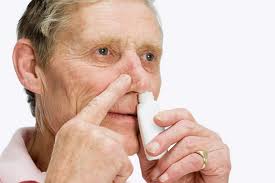
Or outside: the nasal mucosa;
It is beyond: the intestinal mucosa or rectal.
For these possible sites of absorption, several problems remain unresolved:
For oral administration, some authors have proposed to protect insulin from gastric juices by encapsulating in liposomes or in combination with a surfactant in a gelatin capsule surrounded by an acrylic polymer;

For rectal bioavailability is still very low because accurate dosing is required;

Regarding the nasal route, progress is underway but the risk of nasal irritation is not yet resolved.

The voice pulmonary inhalation, is much more promising and its effectiveness is demonstrated.

This is of therapeutic hope on the acceptability of the treatment of diabetes mellitus.
»»  read more

Type 1 Diabetes Surveillance

It is practiced regularly by the doctor and daily by the patient himself.

A)
Medical Surveillance

The medical examinations periodically request that the information about:

The metabolic control of diabetes;
The existence of disorders associated with a risk of worsening cardiovascular risk;
The existence, severity and scalability of degenerative complications.
Monitoring of blood pressure is essential. Any increase in numbers (BP greater than 140/80, for example) means an increased risk of suffering eye and kidney. His finding led the doctor to prescribe lifestyle modifications (such as weight correction and removal of alcohol) and antihypertensive drugs (angiotensin-converting enzyme). converting enzyme).

Biological markers of metabolic control are available:

The glycated hemoglobin (HbA1C) provides information on glycemic control over the last 120 days. This is the gold standard. The normal result is less than 6% A1C. In case of insufficient treatment, the result is greater than 7.5% and up to 12%;

Fructosamine information on glycemic control during the previous two weeks.

The lipid profile is an integral part of monitoring the diabetic:

The poorly controlled diabetes promotes hyperlipidemia (cholesterol and triglycerides);

High cholesterol is a risk factor for vascular whose effects combine with those of hyperglycemia and high blood pressure for the emergence of cardiovascular disease;
Any reduction in blood cholesterol levels results in decreased vascular morbidity and even regression of atherosclerotic plaques;

Total cholesterol should be less than 2 g / l (especially LDL-cholesterol). If its value is slightly supetieure threshold (between 2 and 2.60 g / l), the atherogenic risk is best appreciated by measurement of apolipoprotein B by the determination of HDL-cholesterol. Any hyperlipidemia should be treated with lipid-lowering drugs and food with tips.

The search for traces of albumin (microalbuminuria) is critical because the identification of the latter indicates a risk of progression for sure. Microalbuminuria is not only the first sign of diabetic nephropathy (kidney damage) but also cardiovascular mortality is highly increased when proteinuria. Microalbuminuria reflects a urinary excretion of albumin between 20 and 200 micrograms / ml. It is then sufficient to strip a bright side. However, Albustix but reflects a pathological glomerular hyper filtration. This abnormality is reversible with improved glycemic control.

We can summarize the monitoring:
Type 1 Diabetes medical surveillance
Every 3 months, taking blood pressure, blood glucose, glycated hemoglobin or fructosamine, total cholesterol, triglycerides (apolipoprotein B or HDL-cholesterol), microalbuminuria and urine cultures;

Every year, electrocardiogram, chest radiography, ophthalmologic examination;
At spaced intervals and as needed, retinal fluorescein angiography, exercise electrocardiogram, myocardial scintigraphy, Doppler of lower limbs and carotid Doppler, etc....

B) monitoring the patient.
The best monitoring of diabetes is the patient himself. Only he can adapt his treatment daily. Monitoring based on control of blood glucose in capillary blood. The research of sugar and acetone in the urine also have an interest as these parameters provide information about the melting of lipids (lipolysis) and thus the risk of ketoacidosis (acetonuria) in case of severe hyperglycemia greater than 3 g / l. Self-monitoring of blood glucose is the preferred method due to recent advances: lancets, test strips, electronic readers.

The lancing pens allow, with a very mild pain, getting a drop. These lancets are reimbursed at the rate of inter-health services (TIPS). The patient pricks his middle, ring and little fingers, preferably at the side faces slightly innervated. A levy on the earlobe is also possible. Gout blood is then deposited on a strip or electrode. Various e-readers are available. They allow to automatically determine the blood glucose from the color on the strip or after the current produced by the electrode.

Practical realization of self-monitoring

Control of blood glucose before the meal is the most important. Control postprandial (after meals) helps regulate the insulin administered before meals. The number of daily checks is the number of insulin injections and blood-glucose targets.

Adjustment of insulin doses

The patient should be able, from capillary blood glucose, modify insulin doses that must be injected. He must analyze the evolution of blood glucose on a time slot of the day to determine the dose of insulin to inject the same day. It must also take account of glycemia at the time of injection to modulate slightly the planned dose. This education is part to the role of the medical team.
»»  read more

Type 1 diabetes the signs of the disease

Diabetes mellitus (IDDM) or type 1 diabetes

The symptoms of diabetes in its typical form are:

  • A thirst (polydipsia);
  • Abundant urine (polyuria);
  • Fatigue;
  • Weight loss;
  • Abdominal pain;
  • Infections.
If we delay dealing with insulin, there is a risk of ketoacidosis and coma.
type 1 diabetes mellitus
Biologically, fasting and postprandial (after meals) are too high.
»»  read more

Diabetes Mellitus Mechanisms

Diabetes mellitus (IDDM) or type one diabetes

Diabetes mellitus represents 10-15% of diabetes cases. It occurs most often in a non-obese before the age of 30.

Mechanisms

The role of autoimmunity in the onset of type one diabetes is certain. Often found antibodies to islets of Langerhans, antibodies that attack the pancreas cells producing insulin autoimmune reaction is triggered by environmental factors such as poorly understood toxic, viruses, etc.... Moreover, the type one diabetes is eventually associated with other autoimmune diseases (Hashimoto's thyroiditis, Graves' disease, idiopathic myxedema, Addison's disease, pernicious anemia, vitiligo, celiac disease, etc....).

There is a genetic predisposition to type 1 diabetes linked to HLA genes located on the short arm of chromosome 6.
diabetes mellitus definition
The natural history of type 1 diabetes can be represented as follows: in genetically predisposed subjects, the beta cells within the pancreas are attacked by external factors during the prediabetic stage. This phase can last for years. The functions of insulin secretion are altered so gradually and quietly, and glucose tolerance wanes. These anomalies are probably reversible, at least in some cases. The type 1 diabetes eventually proved to be suddenly in favor of an external factor, is gradually reduced, to below the critical level (20%), the number of functional beta cell's Langerhans.

Hyperglycemia resulting from a defect of insulin plays an aggravating role: it exhausts the remaining ß-cells and resulting in decreased peripheral sensitivity to insulin action.

We can therefore obtain remissions as a result of immunosuppressive therapy (cyclosporine) at the beginning of clinical type 1 diabetes or consequently, of strict glycemic normalization. Prevention may be probably. In the future, the initiation of immunosuppressive therapy at the prediabetic stage - when the number of beta cells destroyed is limited - make prevention possible.
»»  read more

Glucidoral

Its Dosage

For adults only.

As with any hypoglycemic agent, dosages must be tailored to each particular case.

In case of loss of glycemic control, a short period of drug administration may be sufficient, a patient normally balanced by the regime.

- Subject under 65 years:
  • Initial dose: the recommended starting dose is one tablet daily, administered with breakfast.
  • Bearings: Dosage adjustments are usually in increments of 1/2 tablet according to the glycemic response. At least several days are required between each dose level.Maintenance Treatment: The usual dose is two tablets per day, once daily for breakfast.
- At risk:

Elderly over 65 years:

View Glucidoral ReviewStarting treatment with 1/2 tablet once a day.

This dose may be gradually increased until adequate glycemic control over the patient, respecting the minimum levels of seven days and under close monitoring blood glucose.

Other patients at risk:

Patient malnourished or have marked impairment of general condition, or whose calorie intake is irregular and in patients with renal or hepatic impairment, treatment should be initiated at the lowest dose and dosage levels should be strictly adhered to avoid hypoglycemic reactions (see Warnings and Precautions).

Patients receiving other oral hypoglycemic agents:

As with any sulfonylurea, this drug can take over a diabetes treatment without a transition period. When passing a sulfonylurea in longer half-life (such as chlorpropamide) to this drug, patients will be closely monitored (for weeks) to avoid hypoglycemia, due to the possibility of overlapping therapeutic effects.
Glucidoral its appearance and shape
White scored tablet.

Glucidoral How it Works
Sulfonylurea oral antidiabetic

(A: alimentary tract and metabolism).

Carbutamide seems to lower blood glucose acutely by stimulating the release of insulin from the pancreas, this effect being dependent upon the presence of active beta cells in pancreatic islets.

Stimulation of insulin secretion by carbutamide in response to a meal is of major importance. The administration of carbutamide diabetic causes an increase in the postprandial insulin response.

The responses of postprandial insulin secretion and C-peptide continue to be increased at least six months after treatment.
»»  read more

Type 1 diabetes: new hope

Representing one in ten cases, the type one diabetes is characterized by an inability of the pancreas to produce enough insulin. Daily injections to control the disease but not cure it. Research today gives new life to the fight against this disease.

Diabetes type one diabetes mellitus (IDDM), diabetes is also called "lean" because one of the first symptoms is weight loss, or "Juvenile" because it affects young people. It follows from the destruction of pancreatic cells that produce the hormone insulin (the islets of Langerhans). Much less common than type two diabetes, said "fat," it represents 10% of cases. This disease is compulsorily treated with insulin.

The type 1 diabetes treated in two weeks?

Published in the New England Journal of Medicine 1, a study gives us will hope tomorrow to have a real means of preventing this disease. Researchers have succeeded in stopping the progression of diabetes with a new immunosuppressive drug. This drug has yielded promising results from the first two weeks of treatment. Beware though, the sample is reduced. A total of 12 patients under treatment was compared with 12 patients not receiving treatment. After one year, nine of 12 patients maintained or improved their insulin production against only two in the control group. Although acting selectively, this treatment has side effects (fever, anemia, nausea ...).

This research is not the first to its kind. Indeed, had two Israeli researchers published similar results in late 2001. Developed by the pharmaceutical company Peptor, a molecule called DiaPep 277 had halted the destruction of pancreatic cells and significantly reduce insulin injections after ten months of treatment in fifteen patients.

Performed on a small sample, these two experiments should be replicated on a larger scale before considering commercialization.
type one diabetes life expectancy
New leads against type 1 diabetes

In October 2001, the National Institute of Health and Medical Research (INSERM), the Foundation for Medical Research (FRM) and the American Foundation Juvenile Diabetes Research Foundation International (JDRF) launched for the first time a major program funding of research projects on the type one diabetes. A total of 3 600 000 € uros are planned for three years.

A year later, the partners presented three projects selected:

  • Identification of susceptibility genes for type one diabetes by studying a large cohort of diabetic patients and families where patients are from consanguineous marriages;
  • Limit the destruction of insulin-producing cells to cause disease through the stimulation of regulatory T cells;
  • Pancreas development by identifying specific growth factors to activate cell proliferation in the pancreas.
This ambitious project funded by Inserm an American foundation could offer new avenues of treatment against the type one diabetes; we can now check that (thanks to daily doses of insulin) and not heal.
»»  read more

Diabetes, Aspirin

Diabetes, aspirin and tranquilizers: exploring relationships

Drugs with no apparent diabetes seem to have an impact on the disease. If the effect of aspirin was reported in 1876, the deleterious consequences of tranquilizers, assumptions were very recent. Doctissimo returns on these discoveries.

Following clinical observations in patients under treatment, brand new therapies and better management could be defined. Aspirin could pave the way for new drugs as tranquilizers are to be monitored.

Aspirin and diabetes: relationship finally elucidated

In 1876, a doctor reported improved health status of one of his diabetic patients following administration of aspirin. This observation aroused so little interest, and it is only in the 1950s that a medical team put in evidence the reduction of blood sugar (glucose) bound to high doses of aspirin.

Since then, the mechanisms remained unknown. Researchers at Harvard University and the University of California have finally solved a mystery. Student's mice genetically predisposed to diabetes and obesity, Pr Shoelson and his colleagues have their high doses of aspirin. A result: the compound blocks the action of an enzyme called IKKbeta. This action increases the production of insulin, lowers blood sugar and the concentration of fats (triglycerides) in blood. These effects last as long as the mice received aspirin.

Will we soon fight against diabetes with aspirin? On this point, researchers remain cautious. The dose aspirin, for the moment, seemed too important to consider this type of treatment without fear of devastating side effects on the stomach, liver or kidneys.

However, this discovery helped reveal a target for the development of future treatments against diabetes type 2: the enzyme IKKbeta. Before this hope can one day be realized, it will go to animal testing to humans.

Is there a perverse effect of tranquilizers?

According to data published in the Journal of Clinical Psychiatry, some old or new antipsychotic drugs may promote the onset or exacerbation of type two diabetes.

In reaching this conclusion, the authors reviewed the medical records and claims of certain pension Health Insurance United States involving nearly 2.5 million people. A total of 4308 severely mentally ill patients under treatment was compared with 3,625 psychotic patients, not following any treatment. Of course, patients with diabetes had initially been excluded from this study.

They studied the frequency of new cases of type two diabetes in patients untreated and in those under five categories of antipsychotics. A result: If the risk of developing type two diabetes does not appear greater with risperidone, it is multiplied by more than 7 with clozapine, for 3 with olanzapine ...
about Diabetes and Aspirin reviews
This is not the first time that antipsychotics (used to treat schizophrenia) are accused in this way. By 1994, this link was suspected 3. In July 2002, the number of cases reported to the Food and Drug Administration since 1994 and a census paper at the Congress of Psychiatry since 2001, enumerated 237 cases of diabetes in patients taking olanzapine, 188 were newly diagnosed and 44 exacerbations of the disease. Moreover, the average age of patients showing signs of diabetes was ten years younger than that usually seen in the global population 4.

These studies could lead to tomorrow's fresh treatments or new boards of management of diabetes. The game is worth it because there was no fewer than 143 million diabetics international in 1998 and projections for 2025 show 300 million patients, including 2.4 million. Although it is not there either a contagious disease, diabetes is epidemic proportions worldwide.
»»  read more

Diabetes hope

New hope for diabetics

A pill who would allow us to lose weight and stop smoking, you dream ... And this dream should become reality next year. However, that's not all; this drug could also be extremely effective in treating diabetes. Focus on a molecule that has not finished talking to her.

Acomplia ®, since it is the name of this drug is the first born, and only representative to date, a new class of drugs called selective blockers of cannabinoid receptor 1. Clearly, this substance is capable of blocking a receptor that stimulates the appetite and cravings. This molecule, called rimonabant, may revolutionize the treatment of obesity and smoking cessation. Another string to its bow, rimonabant also intervene on many risk factors associated with diabetes.

Towards a new diabetes treatment

The result of the RIO-Diabetes was eagerly awaited by many doctors. And for a good reason, more than 190 million people worldwide currently suffer from diabetes. The study, published June 12, 2005, shows that Acomplia ® could revolutionize the treatment of this disease with dramatic consequences. During one year, 1000 patients with type two diabetes was given a daily dose of 20 mg of rimonabant. A result: There was a significant decrease in glycated hemoglobin, a major parameter monitoring of blood sugar, and the improvement of hypertension and lipid levels.

Another important point, this drug reduces abdominal obesity in patients already treated for diabetes. Good news when we know that stomachic obesity, which reflects visceral adiposity, predicts the occurrence of myocardial infarction ... to Professor Michael D. Jensen "weight loss reported with rimonabant in diabetic patients is potentially very interesting. Indeed, the current anti-diabetic improves glycemia but often accompanied by the weight gains. This weight gain may itself even diminish the benefits of treatment and downgrade the overall improvement of the risk factors associated cardio metabolic "

Weight loss of the patient group treated with the drug was 5.3 kg against 1.4 kg for placebo patients. Side waist, patients on rimonabant lost 5.2 cm against 1.9.
Diabetes hope for patient
Haro on cardiovascular risk

The beneficial effects on cholesterol and triglycerides are not to be ignored because they help reduce cardiovascular risks associated with diabetes, obesity and pathology of this increasingly common so-called " metabolic syndrome " , which triples the likelihood of a stroke.

It is important to note that this study was conducted with the usual rigor of clinical studies. Several research centers were involved, patients who took the drug were randomly selected and neither the caregiver, nor the patient knew the true nature of the received product (drug or placebo). The study included overweight patients with type two diabetes who had been treated with an oral antidiabetic such as sulfonylureas ( DAONIL ®, DIAMICRON ®, OZIDIA ® ®) or metformin ( Glucophage ®, STAGID ®.).

A deadly epidemic

The future finally announces it brighter for people with diabetes? It was time for this disease has become a scourge to the point that today we speak of an epidemic; 333 million people will be diabetic in less than 20 years. All these patients are exposed not only to major cardiovascular risk but also to kidney disease; arteritis of the lower limbs, amputations, blindness ... This new drug is expected to significantly improve their prognosis but also their quality of life.
»»  read more

Insulin spray

Insulin spray: a real alternative to injections?

Insulin injections may soon be just a bad memory. What was previously a sweet dream come true with a new drug about to be put on the market? A prospect greeted with enthusiasm by patients with diabetes and with caution by doctors.

Complications related to uncontrolled diabetes or poorly controlled ranging from cardiovascular disease to renal failure through blindness. To avoid them, some patients must use insulin injections under the skin. However, diabetics may soon have to use insulin spray.

An idea that does not lack air.

Insulin is a hormone secreted by the pancreas. Its action is necessary to use sugar (glucose) by body cells. For patients with type one diabetes, the use of insulin is essential. In the case of type two diabetes, this type of treatment remains rare. For several years, the development of long-acting insulin, the syringes with fine needles or pens to disposable or rechargeable batteries have increased patient comfort.

Despite these many advances, it remains a binding mode of administration. Thus, the idea of administering insulin aerosol has made ​​its way. However, the dose absorbed via the lungs was far too weak to be effective. Today, a new system overcomes this problem.
the Insulin spray guide
A new method of administration

Of large molecules like insulin can hardly be administered orally. They are destroyed before being assimilated into the bloodstream. The mode of administration by aerosols has many advantages. Insulin is found in the lungs as millions of tiny particles and can reach the bloodstream. The first born of these insulins is the result of a joint development program between Sanofi-Events and Pfizer. Called Exubera ®, the fast-acting insulin to be inhaled using a special device containing a dose blister thermoperfore and an inhaler. Before you start using this product, the physician should explain the proper use of this device. It will determine the initial doses and administration times, depending on the response and the patient's needs (e.g. diet, physical activity and lifestyle). Exubera ® should be administered within 10 minutes before the start of the meal.

Authorized by the European Medicines Agency in January 2006, this product can be used for the treatment of type two diabetes in adults inadequately controlled with oral antidiabetic agents. Exubera ® can be also used in certain adults with type one diabetes, in which the passage of a subcutaneous insulin rapid-acting inhaled insulin this could be beneficial, given the potential risks.

More restrictive indications

Some side effects were noted during the various studies of this drug. The most common were hypoglycemia (low blood glucose) and cough. However, the mode of administration may be problematic for some patients:

Smokers must have stopped smoking at least six months before starting treatment with Exubera ® and not to return under pain of change treatment;
For patients with low or unstable lung function, such as asthma, emphysema or chronic bronchitis, you should not use Exubera ®;
Exubera ® should not be used in people who may be hypersensitive (allergic) to human insulin or any other ingredients.
Finally, the development of insulin antibodies (proteins produced in response to treatment with Exubera ®) in some patients requires special surveillance today that the laboratory is committed to implementing.
»»  read more

Benefits of insulin pump

Diabetes: the many benefits of an insulin pump

For 30 years, diabetic patients may benefit from insulin pumps. This very reliable and functional dramatically improves the lives of patients. Discover the benefits of this treatment like no other.

While 25% of U.S. patients are treated by an insulin pump, this is the case with only 5% of diabetics. Ignorance of this device, the fear of failures ... There are still many misconceptions.
the benefits of insulin pump for patients
The insulin pumps. How does it work?

It is important to remember that diabetes is characterized by dysfunction of the pancreas unable to produce insulin needed by the body. To regulate their blood sugar (glucose) in the blood in people with diabetes must regularly inject insulin and closely monitor changes in this hormone. Unlike injections, insulin pump can distribute very small amounts of insulin continuously, mimicking so closely the activity of the body of a person without diabetes. The patient may also choose to add a little more insulin at meal time, or if it deems necessary. For Dr. Jean-Yves Josse, diabetes type 1 and itself carries such a device; the main advantage of the pump is twofold: "The issuance of insulin continuously called'" basal rate "is much more physiological ". Second advantage emphasized by Dr. Josse: the ability to choose the dose and timing of insulin injections without having to injection. This allows greater freedom in daily life and especially a more flexible meal time. Not only do we win a therapeutically but also the quality of life.

The pumps allow programming of insulin, which is impossible with injections. For Dr., Josse is not without humor "the pump is simply a Game Boy who shoots blood glucose greater than two g." This mode of operation avoids glycemic yoyos, these permanent variations of blood sugar, leading causes of complications from diabetes. For Pr Bringer "insulin is comparable to other treatments; it requires a very large fine and a stable modulation of responsiveness. And this is where the insulin pump finds its place."

Finally, we must add that using the pump for delivering insulin doses more accurate and regular are accompanied by a lower consumption of insulin.

Overnight with a pump

Since so many patient carrying pumps, Dr. Jean-Yves Josse sees itself as a privileged. Type 1 diabetic, he has never known the multiple daily injections, and his profession allows him to fully understand his diabetes and its treatment. He tells us that persistent reluctance on the insulin pump: "we lose it often grows freely and that the diabetic has a girlfriend then called 24 hours a pump 24. Now the pump is less portable than a big one can disconnect for short periods. " His conclusion is clear "priority should be given to health and the optimum treatment for the health of a diabetic; this is the Pump."

Patients should obviously be free to choose their treatment, but it is important for them to know all possible treatment options and the opportunity to try each treatment in order to find his balance and to say, "yes; this treatment is right for me ".
»»  read more

Everyday life Insulin Pumps

You used to wearing an insulin pump may take some time. You must get used to wear a device at all times. We must also get used to you administer insulin before meals.

Exercise
Exercise is essential for staying healthy with diabetes. Indeed, the exercise helps your body use insulin better. Before starting an exercise program, consult your doctor.

Travelling with your insulin pump
If you must travel with your insulin pump, plan your trip in advance. Consult your doctor for advice on how to best manage your diabetes while traveling.
Everyday life Insulin Pumps therapy
Security systems at airports
Before going through a metal detector, tell the security personnel that you have diabetes, and you are wearing an appliance. Insulin pumps are not damaged by the metal detectors at airports.
»»  read more

Diabetes myths

Pictures and facts - Insulin Pumps

No. 1: Use an insulin pump is rough.
Fact: You get worn to wearing your up-to-the-minute insulin pump may take some time. When you start using your pump, you may feel its presence. However, once you're used to (e) to wear your pump; you forget until you need to administer a bolus or replace your catheter.

No. 2: You can forget that you have diabetes.
Fact: To properly use your insulin pump, you need a little practice. You should check your blood sugar several times a day, as with injections by pen. Before meals, you will determine the amount of carbohydrates you eat and program your insulin pump accordingly. The insulin pump then calculated an amount of insulin according to your programmed settings. It does not administer insulin automatically without you have programmed. Your doctor will advise on how best to integrate a pump program for managing your diabetes.
Diabetes myths health
No. 3: Anyone can use an insulin pump.
Fact: The insulin pump is not indicated in all diabetics. Only your healthcare provider may decide to use.
»»  read more

Insulin pump therapy guidelines for successful outcomes

Are you a candidate? - Insulin Pump Therapy

Treatment with insulin pump is used by thousands of type 1 diabetes worldwide.

To determine if this therapy is right for you, your doctor may consider the following factors: if you monitor your blood glucose regularly, if you know your illness, if you make regular visits to your healthcare team.

Insulin pumps are supported 100% by social security.

If you want to benefit from the continuous glucose measurement, as this option is not yet supported, you should discuss with your diabetologists different solutions.

Detail - The insulin pump therapy can help you better manage your diabetes.
living with insulin pump therapy guidelines for successful outcomes
The information presented on this website are only for information purposes only. They are no substitute for talking with your healthcare professional.
»»  read more

Using an insulin pump

Benefit from an insulin pump

Fluctuations in blood sugar can be stressful for your body and can deprive you of foods and activities you enjoy. The optional continuous glucose monitoring * Paradigm ® pump VEO is easy to use and works 24 hours a 24, helping you to better control your blood sugar.

Are you a candidate?
Your healthcare provider will consider various factors to determine whether the insulin pump is the treatment for you.

Pictures and facts - Insulin Pumps
There are many misconceptions about insulin pumps. Discover the realities that cover the most common misconceptions.
Everyday life using an insulin pump
* Measured every 10 seconds, with a display of the average every five minimums. Before any treatment decisions, these values ​​should be confirmed by a finger stick. There is a difference between glucose measured in the interstitial fluid and blood glucose measured in the blood system and may therefore, not be informed in all cases to a situation of hypoglycemia or hyperglycemia detected by a blood glucose capillary. The glucose sensor is not yet supported by social security. Talk to your doctor.

The information presented on this website are merely for information purposes only. They are no substitute for talking with your healthcare professional.
»»  read more

Measuring instruments Continuous Glucose

Your Questions - Measuring instruments Continuous Glucose

How long does it take to learn to use the continuous glucose monitoring *?
The continuous glucose measurement * is a new technology that provides important information for the balance of your diabetes. Your healthcare team will explain how best to use it.

Could I feel the presence of glucose sensor?
You feel the presence of the sensor for a short time when it is inserted. Then you will forget quickly.

Can I take a shower with my glucose sensor?
The MiniLink ® and the sensor are waterproof. So you can keep quite when you are washing or bathing.
health measuring instruments continuous glucose in medical
Measured every 10 seconds, with a display of the average every 5 min. Before any treatment decisions, these values ​​should be confirmed by a fingerstick. There is a difference between glucose measured in the interstitial fluid and blood glucose measured in the blood system and may therefore not informed in all cases to a situation of hypoglycemia or hyperglycemia detected by a blood glucose capillary. The glucose sensor is not yet supported by social security. Talk to your doctor.
»»  read more

Glucose measurement units

What is the extent of continuous glucose?

The continuous glucose measurement is a plot of your glucose level 24 hours 24. Trend arrows you also indicate the direction and the change in your glucose levels. Finally, hypo-and hyperglycemia alerts to allow you to be notified when your rate exceeds the thresholds.

Thus, the continuous glucose measurement can help you understand how your diet, exercise and medication affect your glucose levels, so you can better manage your diabetes. Furthermore, with this information, your medical team can customize your diabetes treatment and as a result reduce the risk of a long-term complication.

To measure glucose levels, a small sensor is placed under the skin. It measures the glucose in the fluid between your cells (interstitial fluid) at intervals of a few seconds and sends the information to a transmitter, which sends radio frequency to your pump.
the glucose measurement units equipment
The continuous glucose measurement can also be performed if you do not wear an insulin pump. In this case, your medical team will equip you with a small recorder so you can then download the data and visualize changes in your glucose levels.
»»  read more

Your questions Insulin Pumps

How insulin pumps differ from the injections?
The insulin pens are usually administered by a slow-acting insulin supplemented by another fast-acting for meals. Insulin is generally absorbed slowly at a rate that is often difficult to predict. Insulin pumps use only rapid-acting insulin more predictable than long-acting insulin. In addition, insulin pumps administer insulin in the form of microscopic drops continuously, and we can vary the amount administered during the day to meet the specific needs of the body.

How long does it take to get used to wear an insulin pump?
Everyone is different, and some people can get used to the insulin pump faster than others. In general, adaptation is of the order of days.

Where do I place the catheter?
You can place the catheter on different parts of your body, your stomach, on top of your buttocks, your thighs or your arms. Your healthcare provider will tell you what is the area most appropriate for you.

Do I feel the presence of the pump?
You can feel the presence of the pump the first time you put on. Once you get used (e) to wear your pump, you will forget. Furthermore, note that you can disconnect your pump, in particular, situations (bathing, swimming, sex ...)

Can I take a bath or swim with the insulin pump?
No, the insulin pump is a medical device that is not designed to stay long under water. Furthermore, a practical viewpoint, it is really not ideal to keep it on you when you take a bath or swimming pool. In this case, you can easily disconnect. In the case of certain long-term water sports, you can place your pump in a waterproof accessory.
more questions regarding Insulin Pumps
What happens if the insulin pump breaks?
If you think there's a problem with your pump, you simply contact your service provider has a support service 24h/24h and 7d/7d.
»»  read more

Used insulin pump

What is an insulin pump?

An insulin pump is a medical device that delivers insulin through a small tube, and a cannula inserted under the skin (which constitute the catheter)


An insulin pump is a tiny transferable device that delivers insulin 24 hours a swift 24. The insulin pump is the extent of a small mobile phone. The amount of insulin delivered can be tailored to specific needs of your body.

You can program your insulin pump to automatically deliver insulin 24 hours 24 - this is the basal rate - in order to maintain glucose levels within the desired range between meals and at night. You can also administer an amount of extra insulin (bolus) during meals.

You can determine the amount of the bolus from the amount of carbohydrates you eat.
see the used insulin pump methods
When using an insulin pump, you must continue to monitor your blood sugar. You set the insulin dose with your healthcare, and you customize according to your diet and your exercise program.

Type 1 diabetic of all ages can use insulin pump therapy.
»»  read more

Insulin device

Diabetes management devices
Insulin pumps, metering systems and continuous glucose monitoring software helps support the Medtronic Diabetes Therapy can help you better manage the balance of your blood glucose.

Diabetes Definition
Insulin pumps are minute devices that deliver insulin continuously for diabetics. Measuring devices are successive glucose for their small devices that let you see which way and how fast your blood glucose is changing. The combination in one unit of an insulin pumped with continuous glucose monitoring can help you better manage your diabetes and your life.

Diabetes Management Devices
For over 25 years, Medtronic develops therapeutic options, such as insulin pumps, systems for continuous glucose measurement and computer-assisted diabetes management that have helped hundreds of thousands of patients worldwide whole.
href="https://blogger.googleusercontent.com/img/b/R29vZ2xl/AVvXsEg_g1ZLw3C4fHvh6gXno_IOVEg3cN4hqqjqFfGapmieGaVDBl2ZHoRgvBuKUYQ7z1vgzwbXNhMVRYPEt-ngeabh2tQYVSLrr6kkf2-JoQMlEy8y8SpyqTNd46sHjOjA32n39n3yXD563PM/s1600/Is+diabetes+curable.jpg">the used of insulin device
Diabetes Benefits and Risks
All treatments and results may vary from one individual to another. Choose the best treatment for you will be part of the consultation with your healthcare provider.

You specify your healthcare benefits, indications, precautions, clinical outcomes and other important medical information specific to diabetes management devices.
»»  read more