The following is health and medical definitions of terms used in border management techniques.
Acne: Limited to a small area skin inflammation as an outcome of in excess of activity of oil glands in the hair follicles. The acne results once (sebaceous) oil glands come to life around puberty, when these glands are motivated male sex hormones in the adrenal glands of both boys, and girls produced.
It acquired: Anything that is not present, but has evolved in the East for a long time later. In medicine, the word obtained means new, or he added. The condition is getting a new in the sense that it is not genetic (inherited) and added in the sense that he was not present at birth.
Acute: Of abrupt beginning, with regard to the disease. Acute often also connotes a disease that is of short duration, fast, progressive, and need urgent care.
Aerobic: Oxygen is essential. Aerobic bacteria require oxygen to nurture. Aerobic exercise requires the heart, and lungs work harder for the body to increase oxygen demand.
Anxiety: a feeling of fear and fear characterized by physical symptoms such as palpitations, sweating, and feelings of stress. Anxiety disorders are serious medical illnesses that affect approximately 19 million American adults. These disorders fill people's lives with overwhelming anxiety and fear. Unlike the relatively mild anxiety caused by stressful events short as a business presentation or first date, anxiety disorders are chronic, relentless, and can grow worse if left untreated.
Asthma: a frequent anarchy in which chronic tenderness of the bronchial tubes (bronchi) makes them swell, tightening the airway. Asthma involves merely the bronchial tubes and does not have an effect on the air sacs (alveoli) or the lung tissue (lung parenchyma) by itself.
Autonomic nervous system: part of the nervous system, which was once thought to be functionally independent of the brain. Autonomic nervous system regulates key functions in the body, including heart muscle activity, smooth muscles (e.g. muscle's intestines) and glands.
Biofeedback: the method of treatment that uses monitors to adjust back to patient's physiological information, which are usually aware of. By watching the monitor, patients can learn by trial and error, their thinking and other mental processes adapted to the control of involuntary bodily processes, such as blood pressure, temperature, brain waves, and diarrhea.
Blood pressure: Blood pressure is the pressure of blood in his veins. It is mainly produced contraction of heart muscle. This measurement is recorded by two numbers. The first (systolic pressure) is measured as the heart contracts and is the largest. The second (diastolic pressure) is measured before the heart contracts and lowest. Blood pressure is used to measure pressure. Elevated blood pressure is called "hypertension."
Brain: That part of the central nervous system in the cranium (skull) is located. Brain functions as the main organizer and distributor of information for the recipient institution. It has two (right and left) half called "hemispheres."
Breathing: The process of respiration, during which air in the lungs, inhaled through the mouth or nose due to muscle contraction, and then exhaled due to muscle relaxation.
Cardiovascular: circulatory system consists of blood vessels of the heart and carries nutrients and oxygen to the tissues of the body and removes carbon dioxide and other wastes from them.
Cardiovascular disease: heart disease, stroke or blood.
See the entire definition of cardiovascular disease
Chronic: This important term in medicine comes from the Greek Chronos, time and means lasting a long time.
Chronic pain: Pain (an unpleasant sense of discomfort) that persists or develops after a long period of time. Dissimilar sensitive pain to arise unexpectedly in reaction to a precise injury & is typically treatable, chronic pain persist more time and is frequently opposed to medical treatment.
Air conditioning: 1.) Practice and practice of body building for better performance, or normal, such as physical therapy, or preparing for sports performance. 2.) learning how to repetitive activities to influence behavior.
Depression: a disease that involves the body, mood and ideas that affect the way a person eats and sleeps, how a person thinks about himself, and how one thinks about things. Depressive disorder is not the same as around a blue mood. This is not a sign of personal weakness or a condition that can be wished. People with a depressive illness cannot merely "pull themselves together" and better. Without treatment, symptoms can last for weeks, months or years. Proper treatment, but most people can help with depression.
Answer: Many biological processes are controlled by feedback, as the temperature in the house furnace is regulated by a thermostat.
Guided imagery: an alternative medicine technique in which patients use their imagination to visualize good health, or to "attack" against diseases such as cancer. Some studies suggest that positive thinking has an impact on disease outcome, so this technique is already used as an "alternative medicine" in some oncology centers and other health facilities a heart muscle that pumps blood into the veins into the arteries in the body. It is located in the chest behind the breastbone (sternum in front of the trachea, esophagus, and aorta above the diaphragm muscle that separates chest and abdominal cavity; normal heart is about the size of a clenched fist and weighing approximately, 10.5 grams. It is cone- shaped, with the top of taper off to the left two-thirds of the heart on the left side of the chest with the balance in the right chest.
Heart rate: the number of heart beats per unit time, usually per minute. Heart rate is based on the number of contractions of the ventricles (lower chambers of the heart). Heart rate may be too fast (tachycardia) or as well slowly (bradycardia). The pulse is bulged of an artery from the wave of blood coursing through the blood vessels due to heart rate. The pulse is often taken in hand assessment of heart rate.
High blood pressure: as well it recognized as high blood pressure, by meaning, continually high-minded blood pressure exceeding 140 over 90 mmHg - systolic pressure above 140 with a diastolic pressure higher than 90.
Metaphors: Both mental process (as in the image) and a wide range of techniques used in the treatment of changes in attitudes, behavior or physiological responses to anger. As a mental process, it is often defined as "any thought that the sensory quality." This includes, as well as visual, all the senses - auditory, tactile, olfactory, proprioceptive, and kinesthetic.
Immune: Protection against infection. Latin immunes means free, exempt.
Immune response: Any reaction of the immune system.
Immune system: a complex system responsible for distinguishing us from everything imported to us and protect us from infection and foreign substances. The immune system works to seek and kill invaders.
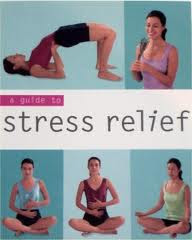
Meditation: Self-directed practice for relaxing the body and calming the mind. Most meditation techniques came to the west of the eastern religious practices, particularly in India, China and Japan, but can be found in all cultures of the world. Until recently, the main purpose of meditation has been religious, although its health benefits have long been known. It is now being investigated as a way to reduce stress on the mind and body.
Muscle: Muscle tissue is the body which primarily serves as a source of strength. There are three types of force in the body. The muscles responsible for limb movement and the outer parts of the body is called "skeletal muscle." Heart muscle is called "cardiac muscle." The muscle walls of arteries and bowel is called "smooth muscle."
Pain: an unpleasant sensation that can range from mild local discomfort in agony. Pain has both physical and emotional components. Physical part of pain comes from nerve stimulation. Pain may be contained in a certain area, as in an injury, or it may be more widespread, as in disorders like fibromyalgia. Pain is mediated by specific nerve fibers that carry pain impulses to the brain where their conscious appreciation may be modified factors.
Postural: With regard to position or body position, attitude or carriage of the body as a whole, or the position of the limbs (upper and lower limbs). Postural hypotension is a drop in blood pressure (hypotension) due to changes in body position (changes in behavior). This occurs when a person, often older person moves into a vertical position: from sitting to stand or sitting or lying down to stand up. Change in posture causes a temporary reduction in blood flow and thus a lack of oxygen to the brain, leading to dizziness and sometimes "black out" episode, loss of consciousness.
Progressive: Increasing the extent or severity. Promotion. Go ahead. In medicine, progressive disease that is going from bad to worse.
Assignment: recommendations of medical and paramedical professionals. If you have a referral ophthalmology, for example, are sent to an ophthalmologist. In HMOs and other managed care systems, referral is usually necessary for all doctors or other specialists than the primary-care physician (PCP) to see if you want the service to be covered. The recommendation is received from your PCP, which may require a phone or office consultation first.
Sclerosis: Localized hardening of skin.
Sleep: the cycle of another institution.
Painkiller: Attitude, comfort, solace, comfort, tranquility, serenity, tranquility.
Stomach: 1 Points sack-shaped digestive upper stomach is located in the ribs. Esophagus and the stomach connects to the lower part leads into the small intestine.
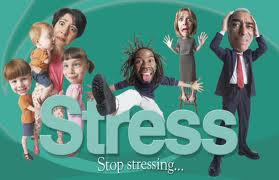
Stress: Forces from the outside world impinging on the individual. Stress is a normal part of life that can help us learn and grow. Conversely, stress can cause us major problems.
Voltage: 1) the pressure inside the container, such as blood pressure: the pressure inside blood vessels. For example, increased blood pressure is called hypertension. 2) stress, especially stress that the muscles of the head and the bottle clenched-up emotions or anxiety translated. This is the kind of tension blamed for tension headaches.
Therapy: treatment of disease.
Trauma: injury, whether in the flesh or emotionally inflict. "Trauma" is a medical and a psychiatric description. Medically, "trauma" refers to a somber or serious injury or shock. This meaning is frequently associated with trauma medicine practiced in emergency rooms and represents the popular view of the quarter. In psychiatry, "trauma" has taken a different meaning and refers to an experience that is emotionally painful, difficult, or shocking, which often results in long-term psychological and physical effects.
Unwell: It's not good or good health, sick, disabled. For example, I also smothered warm weather sulfurous.
»» read more
Acne: Limited to a small area skin inflammation as an outcome of in excess of activity of oil glands in the hair follicles. The acne results once (sebaceous) oil glands come to life around puberty, when these glands are motivated male sex hormones in the adrenal glands of both boys, and girls produced.
It acquired: Anything that is not present, but has evolved in the East for a long time later. In medicine, the word obtained means new, or he added. The condition is getting a new in the sense that it is not genetic (inherited) and added in the sense that he was not present at birth.
Acute: Of abrupt beginning, with regard to the disease. Acute often also connotes a disease that is of short duration, fast, progressive, and need urgent care.
Aerobic: Oxygen is essential. Aerobic bacteria require oxygen to nurture. Aerobic exercise requires the heart, and lungs work harder for the body to increase oxygen demand.
Anxiety: a feeling of fear and fear characterized by physical symptoms such as palpitations, sweating, and feelings of stress. Anxiety disorders are serious medical illnesses that affect approximately 19 million American adults. These disorders fill people's lives with overwhelming anxiety and fear. Unlike the relatively mild anxiety caused by stressful events short as a business presentation or first date, anxiety disorders are chronic, relentless, and can grow worse if left untreated.
Asthma: a frequent anarchy in which chronic tenderness of the bronchial tubes (bronchi) makes them swell, tightening the airway. Asthma involves merely the bronchial tubes and does not have an effect on the air sacs (alveoli) or the lung tissue (lung parenchyma) by itself.
Autonomic nervous system: part of the nervous system, which was once thought to be functionally independent of the brain. Autonomic nervous system regulates key functions in the body, including heart muscle activity, smooth muscles (e.g. muscle's intestines) and glands.
Biofeedback: the method of treatment that uses monitors to adjust back to patient's physiological information, which are usually aware of. By watching the monitor, patients can learn by trial and error, their thinking and other mental processes adapted to the control of involuntary bodily processes, such as blood pressure, temperature, brain waves, and diarrhea.
Blood pressure: Blood pressure is the pressure of blood in his veins. It is mainly produced contraction of heart muscle. This measurement is recorded by two numbers. The first (systolic pressure) is measured as the heart contracts and is the largest. The second (diastolic pressure) is measured before the heart contracts and lowest. Blood pressure is used to measure pressure. Elevated blood pressure is called "hypertension."
Brain: That part of the central nervous system in the cranium (skull) is located. Brain functions as the main organizer and distributor of information for the recipient institution. It has two (right and left) half called "hemispheres."
Breathing: The process of respiration, during which air in the lungs, inhaled through the mouth or nose due to muscle contraction, and then exhaled due to muscle relaxation.
Cardiovascular: circulatory system consists of blood vessels of the heart and carries nutrients and oxygen to the tissues of the body and removes carbon dioxide and other wastes from them.
Cardiovascular disease: heart disease, stroke or blood.
See the entire definition of cardiovascular disease
Chronic: This important term in medicine comes from the Greek Chronos, time and means lasting a long time.
Chronic pain: Pain (an unpleasant sense of discomfort) that persists or develops after a long period of time. Dissimilar sensitive pain to arise unexpectedly in reaction to a precise injury & is typically treatable, chronic pain persist more time and is frequently opposed to medical treatment.
Air conditioning: 1.) Practice and practice of body building for better performance, or normal, such as physical therapy, or preparing for sports performance. 2.) learning how to repetitive activities to influence behavior.
Depression: a disease that involves the body, mood and ideas that affect the way a person eats and sleeps, how a person thinks about himself, and how one thinks about things. Depressive disorder is not the same as around a blue mood. This is not a sign of personal weakness or a condition that can be wished. People with a depressive illness cannot merely "pull themselves together" and better. Without treatment, symptoms can last for weeks, months or years. Proper treatment, but most people can help with depression.
Answer: Many biological processes are controlled by feedback, as the temperature in the house furnace is regulated by a thermostat.
Guided imagery: an alternative medicine technique in which patients use their imagination to visualize good health, or to "attack" against diseases such as cancer. Some studies suggest that positive thinking has an impact on disease outcome, so this technique is already used as an "alternative medicine" in some oncology centers and other health facilities a heart muscle that pumps blood into the veins into the arteries in the body. It is located in the chest behind the breastbone (sternum in front of the trachea, esophagus, and aorta above the diaphragm muscle that separates chest and abdominal cavity; normal heart is about the size of a clenched fist and weighing approximately, 10.5 grams. It is cone- shaped, with the top of taper off to the left two-thirds of the heart on the left side of the chest with the balance in the right chest.
Heart rate: the number of heart beats per unit time, usually per minute. Heart rate is based on the number of contractions of the ventricles (lower chambers of the heart). Heart rate may be too fast (tachycardia) or as well slowly (bradycardia). The pulse is bulged of an artery from the wave of blood coursing through the blood vessels due to heart rate. The pulse is often taken in hand assessment of heart rate.
High blood pressure: as well it recognized as high blood pressure, by meaning, continually high-minded blood pressure exceeding 140 over 90 mmHg - systolic pressure above 140 with a diastolic pressure higher than 90.
Metaphors: Both mental process (as in the image) and a wide range of techniques used in the treatment of changes in attitudes, behavior or physiological responses to anger. As a mental process, it is often defined as "any thought that the sensory quality." This includes, as well as visual, all the senses - auditory, tactile, olfactory, proprioceptive, and kinesthetic.
Immune: Protection against infection. Latin immunes means free, exempt.
Immune response: Any reaction of the immune system.
Immune system: a complex system responsible for distinguishing us from everything imported to us and protect us from infection and foreign substances. The immune system works to seek and kill invaders.
Meditation: Self-directed practice for relaxing the body and calming the mind. Most meditation techniques came to the west of the eastern religious practices, particularly in India, China and Japan, but can be found in all cultures of the world. Until recently, the main purpose of meditation has been religious, although its health benefits have long been known. It is now being investigated as a way to reduce stress on the mind and body.
Muscle: Muscle tissue is the body which primarily serves as a source of strength. There are three types of force in the body. The muscles responsible for limb movement and the outer parts of the body is called "skeletal muscle." Heart muscle is called "cardiac muscle." The muscle walls of arteries and bowel is called "smooth muscle."
Pain: an unpleasant sensation that can range from mild local discomfort in agony. Pain has both physical and emotional components. Physical part of pain comes from nerve stimulation. Pain may be contained in a certain area, as in an injury, or it may be more widespread, as in disorders like fibromyalgia. Pain is mediated by specific nerve fibers that carry pain impulses to the brain where their conscious appreciation may be modified factors.
Postural: With regard to position or body position, attitude or carriage of the body as a whole, or the position of the limbs (upper and lower limbs). Postural hypotension is a drop in blood pressure (hypotension) due to changes in body position (changes in behavior). This occurs when a person, often older person moves into a vertical position: from sitting to stand or sitting or lying down to stand up. Change in posture causes a temporary reduction in blood flow and thus a lack of oxygen to the brain, leading to dizziness and sometimes "black out" episode, loss of consciousness.
Progressive: Increasing the extent or severity. Promotion. Go ahead. In medicine, progressive disease that is going from bad to worse.
Assignment: recommendations of medical and paramedical professionals. If you have a referral ophthalmology, for example, are sent to an ophthalmologist. In HMOs and other managed care systems, referral is usually necessary for all doctors or other specialists than the primary-care physician (PCP) to see if you want the service to be covered. The recommendation is received from your PCP, which may require a phone or office consultation first.
Sclerosis: Localized hardening of skin.
Sleep: the cycle of another institution.
Painkiller: Attitude, comfort, solace, comfort, tranquility, serenity, tranquility.
Stomach: 1 Points sack-shaped digestive upper stomach is located in the ribs. Esophagus and the stomach connects to the lower part leads into the small intestine.
Stress: Forces from the outside world impinging on the individual. Stress is a normal part of life that can help us learn and grow. Conversely, stress can cause us major problems.
Voltage: 1) the pressure inside the container, such as blood pressure: the pressure inside blood vessels. For example, increased blood pressure is called hypertension. 2) stress, especially stress that the muscles of the head and the bottle clenched-up emotions or anxiety translated. This is the kind of tension blamed for tension headaches.
Therapy: treatment of disease.
Trauma: injury, whether in the flesh or emotionally inflict. "Trauma" is a medical and a psychiatric description. Medically, "trauma" refers to a somber or serious injury or shock. This meaning is frequently associated with trauma medicine practiced in emergency rooms and represents the popular view of the quarter. In psychiatry, "trauma" has taken a different meaning and refers to an experience that is emotionally painful, difficult, or shocking, which often results in long-term psychological and physical effects.
Unwell: It's not good or good health, sick, disabled. For example, I also smothered warm weather sulfurous.