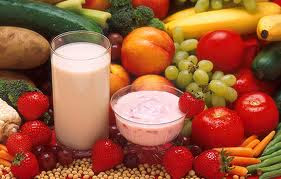
Showing posts with label Nutrition. Show all posts

Food does not make you fat

Satiating and nutritious food but does not make you fat.

Some foods help fill you up more than others, while being low in calories and nutrients (helping to keep the line).

The reason for the accumulation of fat is the daily storage of excess calories as fat in different parts of the body. The term "extra calories" refer to the calories that were obtained from the foods you have eaten, and, which were not used by the body.

Every day, the body expends energy functions for several internal and external activities. It also uses energy to nourish the body's cells. The calories remaining after all expenses are "empty calories," and keeps the body as fat for later use.

Gradually, as your body-fat increases, your body begins to lose their shape because the adipose tissue is not "packed in a compact manner." Fat tissues develop in all directions erratically like a balloon filled with water, unlike the muscle tissue that had a condensed form.

The foods you eat play an important role in determining the conservation of fat in your body, as the volume of physical activity you do. Eating plenty of foods that are fattening while adopting a sedentary lifestyle is the main due to weight gain. When you pay attention to these two factors (diet and exercise), you're on your way to find a body fitter and slimmer.

WHAT YOU EAT IS AS DECISIVE AS WHAT YOU EAT.
Some foods give you more calories than others, yet in the same quantities. For example, the macronutrient "lipid" contains twice as many calories as macro nutrients "carbohydrate" or "protein." So a food like butter provided many more calories than a piece of chicken breast (equal quantity), simply because the fat (butter) provides twice as many calories as protein (chicken).

This does not mean you should avoid fats, because of good fats are highly capital to the smooth functioning of the body. What is required is a prudent and moderate consumption of whole foods and healthy, that give you the necessary nutrition without unduly multiplied your caloric intake? If possible, trying to eat foods that are not satiating fat too so as not to increase your calorie intake.
Food does not make you fat list guide
You sustain fruit, and vegetables provides much fewer calories than if you feed hamburgers and milkshakes sold to fast food. Moreover, it is quite hard to overeat fruit or vegetables because your body may determine your calorie needs more easily with natural foods with processed foods / processed (that disorient perceptions inherent in your body heat).

For example, eat grilled chicken or baked fish or smoked nuts and lentils give you essential nutrition without overloading on calories, while eating a great pizza filled with cheese and ham before moving by a large strawberry pie responsible for refined sugar. Of course, whatever healthy foods you eat, it is also important to monitor the quantities consumed. You can get fat from food as healthy, and not necessarily from overloaded fat foods that make you blithely exceed your daily calorie needs.

SOME FOODS THAT ARE HEALTHY, WHICH FILL UP AND THAT DOES NOT MAKE YOU FAT.
This is food that you do not accumulate too many calories while getting a good amount of essential nutrition, which is basically the definition of "healthy foods." Here are some food choices that you can try a regular basis:

1) Rolled oats / porridge oats
This is one of the best natural foods available. A great friend of the people who are dieting, it is satisfying, low fat, blend easily with many other foods rich in protein, iron, B vitamins, calcium, other minerals, etc.... Its benefits are endless.

The best way to eat it (your body) is to buy rolled oats (not instant version), subsequently take about 5 minutes to cook them in boiling water. Then put in the slurry obtained a few pieces of sweet fruit (like apples and blueberries) and enjoy. Oats have more protein and fiber than the flash version (and also less fat). Do not add sugar and you will have been even less hungry after completing this nourishing dish.

2) Grilled chicken / smoked / baked.
Not only, the chicken is an excellent source of protein, but it also contains far fewer calories than meats such as lamb, pork or beef. Avoid eating chicken skin. Use paring knives or scissors, to remove all portions of excess fat on the meat pieces.

A serving of chicken breast smoke usually brings only seventy calories, whereas the similar song can reach 160 calories if it is fried with the batter. So how do you cook chicken contributes to the number of calories that you receive. The chicken itself is not caloric, especially when you eat only the lean (no skin or visible fat) . The meat is very satiating not gain weight.

3) Banana
This is a fantastic food, not only because it is so delicious with its creaminess, but also because this result is very satisfying and rich in nutritional value. A medium banana (about 15 cm) contains approximately 70 calories, most of them are carbohydrates. While bananas are a good source of easily digestible carbohydrates, and also provide essential minerals such as potassium and manganese.

You can prepare a breakfast based on a banana and an apple (or other fruit) to kick the metabolism of your body, and also improve its ability to burn fat through the presence of Vitamin C in these fruits. They are as well a delicious source of antioxidants to help your body stay healthy and to be free of inflammation.

4) Dates
You can easily buy a packet of dried dates in any health-food store (if you choose a variety of good qualities) and eat at teatime or snack, to accompany a few walnuts, pecans or almonds. Dates are very nutritious and are packed with minerals that help the basic metabolism of fat in the body. Seven pitted dates bring to eat between 80 and 90 calories as carbohydrates.

5) Lawyer
This is one of the few fruits high in fat. Avocados contain essential fatty acid's omega-3 and various antioxidants that heal inflammation in the body. Use this fruit as a source of good fats, and moderate your intake of butter / cheese.

Mixed in salads or sandwiches or you can eat avocados raw. You can consume half of a lawyer to get 100 calories from good fats. This fruit is very satisfying (even stodgy taste of some people) when you eat a sandwich, but not make you fat (if you do not eat too).

6) sprouts / shoots
It is very healthy to eat alfalfa sprouts, sesame seeds, red beans, mung beans, soybeans and lentils. You can easily prepare the seeds / sprouts at home by soaking the seeds in water and allowing them time to germinate in a damp cloth.

Sprouts / shoots are "live foods" rich in antioxidants, fiber, enzymes, vitamins and minerals, in addition to being a good source of protein. These foods disturb your just counting calories while providing many nutrients beneficial, and being fed (especially when you eat in a salad) without causing weight gain.

7) Smoked fish / broiled / baked
Of fatty fish like salmon, tuna and mackerel contain more calories than chicken (same quantity), but they are extremely healthy for your body because they are excellent sources of protein and essential fatty acids ( such as omega-3), vitamin A and vitamin D.

You can also eat other fish and shellfish such as clams, crab, shrimp, haddock and trout, which are all wonderful sources of nutrients mentioned above. Use healthy cooking methods like making smoking, make a grill, bake lowers calorie intake while satiating. You can easily prepare a meal from a whole fish such as salmon and all they get between 160 and 200 calories, which helps not make you fat.

8) fat-free yogurt
A pot of yoghourt without MG is healthier and less loaded with calories than junk food like ice. Yogurt is a fantastic source of calcium (to help maintain bone health) . It gives your digestive probiotics (good bacteria) that enhance key immune system of your body and maintain good intestinal health. 150 grams of fat-free yogurt providing about 80 calories while providing valuable nutrients and acting as a satiating and the nutritious snacks .

9) Whole egg
You can eat one or two eggs daily for vitamin D, essential fatty acids, protein and a compound called "choline" which strengthens the health of your brain and your nerves. Eggs are also good for healthy eyes and skin. A shell, poached, scrambled or omelette (with a healthy oil like olive oil, for example), egg low in calories (which is good not to grow) while accompanying your meal perfectly. A large whole egg chicken (boiled egg) usually contains about 80 calories.

10) Vegetable Salad
Eating a big plate of salad of raw vegetables to accompany your main course will ensure the achievement of essential minerals, dietary fiber and vitamins, while reducing your portions of main dishes and being fed. carrots, cabbage, onions, tomatoes, cucumbers, celery, Brussels sprouts and radishes can be integrated into your salad with lemon seasonings to form a healthy accompaniment to your main course, which is not fattening as is low in calories.

In conclusion, the more you are aware of the foods you eat, the less likely you get too many calories. It is potential to eat healthy and satiating foods that are not much bigger than processed foods / malbouffes. It is also possible to select nonfat varieties of different foods to reduce your fat intake, and making these healthy choices; you'll be on your way to reduce your total calorie day. If you put in a daily dose of exercise (resistance training, for example, or aerobic) to this mixture, you can begin to move toward this healthy and body in shape, toned you want.
»»  read more

Foods that make you fat fast

Foods that make you fat: what about?

Many people believe that certain foods make you fat more than others, but is it the truth? Take stock.

Today everyone is exposed to the risk of being overweight because of modern lifestyle, and foods consumed. With this come all the risk associated health problems such as cardiovascular disorders, digestive concerns or stress, and even social. This is the main reason why many people fear the foods that make you fat. Questions such as "do mangoes (or rice, watermelon, etc....) Are fattening?" We are frequently asked.

NO FOOD ACTUALLY CAUSES THE WEIGHT GAIN
The good news is that if eaten in moderation, no food is really gaining weight. There are certain rules to be observed on how to eat fewer foods "that make you fat" and more food "stout burning." . And if you follow these rules, you can stay thin and fit while eating what you like. Here's a simple explanation of these rules:

1) Model of Food Consumption
A person who wishes to really watch her ​​weight should start his day with a hearty breakfast. The fact is that the body does not consume any food for about 8 to 10 hours (overnight), and requires replenishment.

Furthermore, thanks to a good breakfast, the following meals may be more easily taken in moderation. Lunch should take place at set times to nearly thirty minutes. Have lunch to should be daylight than mealtime, and should not be followed by a snooze. Dinner should be taken at least 3-4 hours before going to bed (so that digestion can be almost completed when you sleep).

2) What you eat.
The rule here is to eat fewer calories than you need for daily functioning of your body (work, walking, physical activities). So you should know the number of calories contained in your foods and how much you actually burn.

You could get help in this area with a nutritionist or dietitian. In case you love the high-calorie foods, go ahead and eat what you like. However, be sure to do enough exercise to burn those extra calories.

3) Get active
The key to staying fit is to sports training, not to avoid at all costs "foods that make you fat." Whatever food you love to eat, even if you eat only chocolate cakes for several days, the excess calories consumed can be compensated by making the right exercise (to burn off those extra calories).

However, best results should be observed when diet and workout routine physical complement. You can take a normal diet without bothering the number of grams that you could take by consuming each food eaten, provided that a regular exercise (at times sufficient intensity and a relatively strong, e.g. make a five-minute walk a slow walk a day is not enough to lose weight if you eat the other hand often calorie desserts).

THE BAD NEWS RELATED TO FOODS THAT MAKE YOU FAT
The bad news is that most people are not doing well with the calculations when it comes to counting calories consumed versus calories burned.

So instead of balancing food intake with exercise needed to expend the calories consumed, they would rather starve themselves by following some very low-calorie diets. This type of weight-loss programs actually robs the body of certain foods, creating a vacuum that - at the slightest temptation - may turn into binges consistent.
foods that will make you fat fast
In turn, these crises sometimes dramatically increase the weight of the person, triggering another very low-calorie diet. A vicious circle is then in place.

There is more bad news. Most foods we love are likely to gain weight. This is because we tend to overeat these foods, creating extra fat in the body. As mentioned above, there are actually foods that contain or contribute more to the accumulation of fat than others. However, if you know the calorie count of each, all food will be equal. You could choose any food which - when mixed together - give you the total amount of calories you need daily.

YOUR HELP IN WEIGHT LOSS
Many people have a long list of what they can eat and what they cannot, based on the caloric content of each food. Few people are resistant to chips or toast soaked in butter or a slice of chocolate cake. How many people can eat these foods without feeling guilty then? Very little. Why? Because they feel they do not take care of their line when they do that.

Similarly, a significant number of people consumed tea (green, black, chamomile, etc....), Coffee, fish oil, olive oil, etc.... happily because they feel it help them lose weight. And that's partially true. Some of these foods prevent or obscure hunger, so that the person eats less. Some foods activate the metabolism so that it is accelerating, while others have very few calories ( enough to be called "negative calorie foods," which is also false ).

Your best help in weight loss is not the type of food you eat but how you eat. So stop wondering what food to gain weight or, which do not cause. Ask yourself which foods contribute to good health.

Each component of the food chain is important: carbohydrates, proteins, lipids (fats) , fiber, etc.... Learn about the nutritional qualities of each food and design a balanced diet for yourself. At the same time, remember to balance calorie intake by burning enough calories every day. That's all you need to stay healthy, physically fit and stay in shape.
»»  read more

Nutrition patterns Autism

Autism is a developmental disorder and brain function. People with autism will have difficulty in controlling the mind, understanding, and communication with others. As someone with special conditions, given food must be by no means perfunctory. Autism nutritional patterns were supposed to be consulted beforehand with the doctor. However, I will try to share a little information.

The pattern of nutrition for autistic people, for example:

1. Carbohydrate

Give people with rice and red rice. Avoid gluten proteins such as wheat, oats, barley, and rye and their processed products. Based on the research of Dr. Karely Hovarth of Maryland School of Medicine, USA showed 55 percent of children with autism who have studied under the normal digestive enzymes. While the gluten-protein polypeptide chains are short-which is difficult to digest so most will only be wasted in the form of feces. In fact, there is the possibility of people with autism have allergies due to leakage and hyper meabilitas intestine.
behavior patterns autism
Get a FREE nutrition guide Gluten

2. Protein

Avoid red meat, especially beef, chicken, domestic chicken eggs, and processed products such as ham, sausage, corned beef, meatballs, etc.
It recommended: fish, chicken, tofu, tofu, tempeh, etc.... Avoid the casein protein in cow's milk / animal because of some digestive enzymes that do not work well in children with autism, so that proteins cannot be digested completely, forming peptides that can trigger symptoms of autism. Consumption of cow's milk can also be replaced with soy milk.

3. Fat

Saturated fat is limited, the consumption of essential fatty acids is like omega 3, DHA and EPA.

4. Fruits

Limit the import of fruit such as apples and grapes because of the possibility of a preservative in the form of a layer of wax on the skin that can trigger autism. It is advisable to consume papaya and pineapple.

5. Consumption of vitamin B6 (pyridoxine)

Vitamin B6 plays a role in improving brain function and cell damage. More than 100 chemical reactions involving the enzyme requires vitamin B6 in the process. Vitamin B plays a role in the formation of many chemicals compounds conductor messages between nerve cells (neurotransmitters). Some food sources of vitamin B6 is beef liver, lean meat chicken, grilled chicken, white rice, and bananas.

6. Avoid the preservative / sweetener, colorant, flavor of food chemistry, food flavoring.

7. Consuming antioxidants to improve the workings of the brain.

8. Avoid alcohol, caffeinated drinks (tea / coffee), soft drinks, chocolate, sugar, biscuits, ice cream.

9. Exercise regularly.
»»  read more

Baby food - foods

In the first 4 - 6 months of life gets the baby with breast milk or infant formula produced industrially everything it needs for healthy development. Other foods or beverages are not needed this time too.

From about the 5th to seven months you can introduce the so-called complementary foods. Milk alone is adequate for most babies now because of the increased demand for energy and nutrients no longer sufficient. To find foods include milk, cereal, fruit and vegetable pure, including meat, rice, pasta, fruit, vegetables, bread, cookies, etc. in fact all the food the baby food other than milk.

Introduction

If the baby is four months or, better still 5 or six months old and is the food of adults interested in using only milk food no longer seems satisfied, you can try to start with the first spoonful. It has proven the so-called step-diet approach. This means that each of the foods and to complement and to be combined first. In each case, a milk meal is at a distance of one month, replaces about. In the beginning, the baby will only eat a few spoonfuls, then it should get his milk as usual, to be fed. Until it creates a complete meal porridge is good and saturated thereafter.


Vegetable-potato-meat broth

Many start Mittagsbrei. The start can sound good carrot to make a porridge the mild, slightly sweet taste which most children. This can next the week with another ingredient added to, such as potato or parsnip. Then come vegetables such as cauliflower, fennel, zucchini or pumpkin add more possible, only one or two new varieties each week. So you can best determine on whether the child cannot tolerate anything.

It later followed four times a week cooked and pureed meats. These are especially poultry, veal and beef. The vegetable and potato mash meat provides essential iron, zinc, and polyunsaturated fatty acids and vitamins. A midday meal should contain about 10 grams of fat. This corresponds to about 2 - 3 teaspoons butter or high-quality oil, preferably sunflower or rapeseed oil. The child needs the fat to accommodate the additional fat-soluble vitamins and energy. Ready at the glass on the fat and make sure your details may also add, for most cases too little fat.

Milk-cereal porridge

About a month later, often as a second solid meal in the evening milk-cereal porridge introduced. It is made ​​from whole milk, partially diluted with water, grain and fruit, fruit puree or fruit juice. As fruits are mainly apple, pear and banana, particularly wholesome.

Grain-fruit porridge

The third meal is the afternoon snack of fruit pulp to cereal as. It contains water, cereal and fruit or fruit puree. Even the porridge should be 10 grams of fat to add.

Solid food

Most babies can be between 8 and 10 months already first solid food to take those as small puree is not quite. Towards the end of the 1st age children are increasingly interested in the food for the adults, and the family diet can be used to slow. The food should be highly seasoned, but not in case, be very rich in fat and flatulent. Furthermore, fried or spicy fried food is unsuitable for children at this age.

With finger foods such as bread, biscuits, crackers, rice cakes, bananas, apples, carrots or cooked al dente cooked pasta can babies eat small bites himself already. In this case, the child should never be left unattended, however, because it could screw up.
»»  read more

Baby food - food bottle

The optimal milk gives us nature in the form of milk. Sometimes, there are reasons why mothers cannot breastfeed or do. An alternative is now industrially produced infant formula. In the baby food, certain minimum amounts of vitamins and minerals are included, but it may be no color or preservatives and are only very low levels of pesticides or pesticide residues. This would be also not breast-fed babies everything they need for healthy growth.

Formulas

Formula is the infant milk in the first six months is appropriate for infants and contains all the essential nutrients. There are pre-food and food 1.

The Pre-diet is similar in breast milk. The protein content is reduced, and the carbohydrate portion consists of milk sugar (lactose). She is thin, and the newborns better than the 1-food for first food, or life called the milk contains more carbohydrates, usually in the form of gluten-free starch. It is thicker and more satisfying because it longer in the gastrointestinal tract remains. Due to its higher carbohydrate, content is much more energy. Hunger is why the one food for babies with large appropriate. However, you should keep the set on drinking habits, to the baby to avoid over-feeding.

Follow-on formula
baby food bottle feeders
Follow-on formula is for babies from 5-6. Month is recommended. They, like the formulas a liquid consistency, but is thicker. Follow-on formula contains more carbohydrates, proteins and minerals. Since it is therefore a heavy burden on the kidneys of the baby, however, follow-on formula should follow the latest guidelines from the room until the 6th month is given. As a result, milk products can only be described, which were made ​​from cows' milk exclusively. She is the mother's milk not so completely aligned. A change of 1 - to be 2-food is, according to the Research Institute of Child Nutrition is not absolutely necessary if the baby is well-fed and satisfied is the recent period with milk.

Formula

Special food is specific nutritional disorders in infants and intended for children should be fed physician in consultation with the just.

Diet

Diet obtained primarily children with severe diarrhea; it is starchy and protein-rich, but rich and lactose reduced than normal baby food. Stuffs and burdened digestive organs are not so strong.

AR-food

Anti-reflux food is meant for babies who spit much more than others. The milk is a little thicker, so the not so easily into the esophagus to the stomach flows back out.

HA-milk

This hypoallergenic baby formula milk is associated with an increased risk of allergy has been developed specifically for. An allergy to prevent myself from most, if the baby is six months exclusively breast fed in the first. This is impossible; we recommend the HA-food. Since milk food made ​​from cow's milk is based on, the immune system that foreign proteins may trigger an allergic reaction to. HA-containing food even cow's milk, however, were the proteins split into small fragments, which cannot be regarded as an undertaking by the alien. Again, there is infant formula for newborns HA1 and HA2 later follow-on milk.

Eating

The meals at fixed times as possible and with the family eat together. The atmosphere should be relaxed and calm enough time for eating. Distraction of television, books, or walking around should be avoided in any case on.

The child usually knows best when it is full, or if it is still hungry. The amounts of food can vary from day to day fluctuations in the Essmenge part of the normal eating habits of healthy children.

The taste is only acquired during childhood. So it is quite possible that the favorite food of yesterday more today does not taste. For children to hang or dislike of food not only from the taste, but also very much on external factors, such as what color it is, whether the child was allowed to help the preparation for, or how the food is served.
»»  read more

Baby food - Breast milk from Nursing

The best food for babies is still the mother's milk. No other baby food is so tailored to the needs of an infant from how the given nature of human milk.

Benefits for the baby

Breast milk provides the baby with all the vital nutrients in the right quantity and composition. It is easily digestible and has the optimal protein structure for good growth. The fat content of milk adapts to the growing needs of the child more calories after. With proper nutrition of the nursing mother has a high proportion of unsaturated fatty acids for the development of the child's brain are important. The defense compounds in breast milk boost the immune system of the child and protect it against infectious diseases. Breast milk helps prevent allergies. Especially if the parents are already suffering from allergies, according to expert opinion breastfeeding reduces the risk that the children also suffer.

Benefits for the mother
breast milk from nursing jaundice
Breast-feeding has many advantages for the mother. It saves time, money and labor; it makes them, especially on the road of independent, because the milk always right temperature, germ-free, in sufficient quantity and easily available for. It also promotes the recovery of the uterus after birth and to reduce blood loss. Nursing mothers usually lose their pregnancy pounds rapidly in, because the milk production, the body's fat stores, which have formed during pregnancy, which used up more quickly. In the view of many doctors reduce the risk of breast cancer later age or diabetes.

Change in the milk

Throughout lactation changed the composition of breast milk, which ensures that the infant essential nutrient in sufficient quantity is replaced by all.

The colostrum or initial milk also called, is the primary milk that the baby first hours and days in the optimal diet. It is slightly thicker and has a yellowish hue. This is due to the high proportion of carotenes state. She is extremely rich in antibodies, which are still very vulnerable newborn from infection diseases protects and covers the delicate stomach and intestinal mucosa with a protective film.

After a few days, is the transitional milk. It is whitish and already much more nutritious than the colostrum.

After about two weeks, the mature breast milk produced, which is more watery consistency. It is adapted to the needs of babies and contains the necessary proteins, fats and carbohydrates. However, it changes during lactation and over again to get the best stages of the baby adjust to.

Silent

The baby is breastfeeding not only with the optimal nutrients supplied by, but also experiences physical closeness and affection, promotes mother-child bond and relieves pain. The National Breastfeeding Committee recommends babies up to six-month exclusive breastfeeding and introduction of complementary foods is not equal to breastfeed with. In the second half year of life breast milk remains the main source of milk.

Babies have an innate need to suck by nature, which is quietly satisfied. Moreover, it is optimal for the development of the tongue and palate muscles.

It should be breast fed on demand, so if the baby is hungry. This is usually every 2 - hours to be 3, while the growth spurts, perhaps even more often. Breast milk is easier to digest than commercially prepared infant formula; so breast-fed babies need more frequent meals. The milk is regulated by the demand. The more removed is, the more will be produced. Additional liquid is required fully breast fed not a baby.
»»  read more

Baby food

The diet of the child plays an important role in his physical and mental development. In the first six month is sufficient for most baby's formula milk. Breast milk or industrially produced milk food contains all the essential nutrients the baby needs the start in life. Afterwards, the sufficient supply of milk alone is no longer adequate because of the calorie requirements increase and the iron stores are depleted. It must be fed, until the end of the mash and then fixed fare.

Sometimes, there are reasons why breast-feeding mothers cannot or will not, then offers the industrially produced infant formula is an appropriate alternative. This would be also not breast-fed babies everything they need for healthy growth.

Formula is for all newborns and infants during the first six months before suitable. Then you should switch to a follow-on formula, because it is rich in carbohydrates, proteins and minerals that a child in this phase of development requires.

The so-called special foods, such as HA-milk or diet is, with certain nutritional disorders have been developed for children. You should consult a pediatrician lined with after only.

Baby's foods

After the first half year of life, enough milk alone for most babies due to the increased demand for energy and nutrients no longer sufficient. The so-called complementary food supplements the diet and gradually replaced the milk meals. For foods include all foods other than milk food, infants in the first year are suitable.
baby food diet
Only a vegetable and later vegetable and potato meat broth. At a distance of 4 - 5-week porridge followed now by the milk-grain cereal at night and the fruit pulp in the afternoon. Towards the end of the child, easily chewable year of life family food used to be slow.

Cook?

Sooner or later the question on most parents. Who cooks itself can determine the ingredients themselves; children are accustomed to fresh food and save money. However, work and time he needs to invest.

Ready broad the glass, however, is simple and quick to prepare, due to the strict rules with extremely low emissions, but with three times as expensive as fond of cooking with organic products in addition, glass often containing insufficient calories, fat and vitamins. Here you should focus on the manufacturer's specifications and needs oil or butter and fruit juice to add to.

Breast milk

The ideal milk for babies is already given to us by nature: the mother's milk. She always has the right and the individual needs of composition.

In addition, breast milk is heated properly, germ-free, is free and easily available. Ideally, when breast-feeding from the start works with. Should it not be possible, it is advisable to pump breast milk in the bottle and give the baby.

Nutrition in the 1st Age

Some foods, such as early carrot, potato and spinach, apple, pear and banana are highly digestible and extremely basic for the initial Breiversuche to recommend this whereas on other foods such as eggs, milk, salt, sugar, honey and nuts should be avoided in the first years.

The more milk food meals are replaced by solid, even more important is to drink. The child should add liquid available, preferably in the form of mineral water, that is suitable for baby food or unsweetened tea.
»»  read more

Nutrition during lactation

Not only, in pregnancy but also during lactation eats the baby with. All you lactating mother take as is, breast milk in. This mother and child with all essential nutrients are supplied, is a healthy and balanced diet is necessary.

Increased nutrient requirements

The calorie and nutrient requirements have been increased during pregnancy and increase's breast-feeding at once. As a fully breastfeeding mother, you have a higher-energy requirement of about 700 calories. Above all, adequate vitamins you should take. Minerals are usually in sufficient quantities in breast milk, malnutrition at the expense of maternal reserves.

On the daily diet should mainly fruit, vegetables, whole grains, milk and milk products are available from the milk and milk products' same elevated calcium requirements during lactation. Whole grain contains above all, many B vitamins. Fruits and vegetables contain a variety of valuable vitamins.
nutrition during lactation and pregnancy

1 - 2 times per week fish and iodized salt supply the body with sufficient iodine. Iodine plays as part of the thyroid hormones played an important role in the growth and cell division.

Since the iron, requirements increase during lactation, it is recommended 2-3 times a week to eat meat. However, grain, fish, dried fruits, whole grains, leafy vegetables and nuts contain valuable iron. Nevertheless, you should not directly or dairy products are eaten with milk. Since it contains calcium, which inhibits absorption of iron. Iron is the transport of oxygen in our body is responsible for the formation of blood and needed to help remove free radicals.

Caution

Sage or mint does not drink in large quantities because they can affect weaning. However, acidic juices and highly acidic fruits such as citrus fruits, should be treated with caution. They cause some babies a sore butt. Carbonated beverages may also lead to bloating and breast milk inhibit. Caution is as well flatulent vegetables such as cabbage, onions, legumes, commanded. Even though, what the mother is not in baht, the child usually does not cause problems too. The best food carefully you try these possible reactions of the baby watch.

Caffeine-containing beverages such as coffee, black tea or cola should be enjoyed in just Maassen. An increased consumer anxiety and sleep disorders can lead to the baby.

Alcohol should, if possible, during lactation are the drunk, since he also through breast milk in the bloodstream of the baby passes, and his liver is still not able to build it. Most experts, however, have no objection to a glass of wine, if it cannot be a habit, but part of a special occasion again. One should keep in mind that alcohol consumption and breast-feeding as much of the period between.

Be sure you should refrain from a diet during lactation, because the degradations of fat-soluble pollutants are fat-free, which pass into breast milk. An intense reduction of calorie intake can also reduce the amount of milk.

Drinking

Since breastfeeding is a large amount of liquid in the form of milk to the baby gives when, it also has a higher fluid requirement. People drink too little during this time; this can inhibit milk production. Three liters per day are quite reasonable, preferably low-calorie beverages like water or unsweetened tea.
»»  read more

Nutrition in pregnancy

Proper nutrition during pregnancy plays in the development of unborn babies an important role and is a guarantee for the well-being of pregnant women.

"Eating for two?

The thesis of "Eating for two" has long been outdated already. The energy requirement for pregnant women to other women is only around 250 - 300 calories more per day and until the second trimester of pregnancy also. This additional energy is the child's growth, the increased metabolic rate and the increased physical burden of the weight gain needed. What rises from the start, however, is the need for nutrients such as protein, B vitamins, calcium, iron, zinc, magnesium, folic acid and iodine. One should not twice as much, but prefer to eat twice as balanced diet rich in fruits and vegetables, and low-fat milk and milk products.

Increased nutrient requirements

Folic acid is one of the most important vitamins during pregnancy, especially in the first three months. It is the metabolism; blood formation and cell division require. A lack of folic acid can cause damage to the central nervous system of the fetus lead, to open back. Especially whole grains, lettuce, kale, and eggs contain valuable folic acid. However, it is hardly even a healthy diet by 50% higher demand during the pregnancy to cover possible. For this reason, it is recommended that children already in need and, above all during the first third to his house to take folic acid drug addition.

The need for iron increases during pregnancy and that by twice. Good sources of iron are meat, cereals and pulses. More than 2 - 3 times per week should be meat, but not on the menu displayed. What can be eaten daily, however, are fruit, vegetables, whole grains and milk and milk products? The milk feed mother and child with protein, magnesium, zinc, and above all plenty of calcium, this is essential for bone formation.

Better not!

On alcohol should be completely abandoned during pregnancy. He is unborn cause birth defects or mental retardation when the risk for miscarriage, premature or stillbirth's increases in alcohol consumption.
nutrition in pregnancy handout
Raw fish, raw or not fully cooked meat should be avoided because pathogens, such as Toxoplasma gondii or Listeria mentioned. This includes sushi, steak tartare, but also sausages such as salami, smoked ham or sausage. Since the immune system is weakened by pregnant women, they are prone to such germs. Toxoplasmosis is problematic only if one during pregnancy for the initial time become infected because the parasite attacks the placenta to the unborn child and gets over there, especially in the first trimester of pregnancy can cause major damage before.

Eggs should be as fresh as possible and only hard-boiled or well cooked to be eaten because raw eggs can contain salmonella or listeria. Furthermore, in the eggs produced from raw desserts or pastries pathogens are.

Raw milk or raw milk products may also contain numerous pathogens, and diet should be deleted from the pregnancy while pasteurized milk or milk products, however, can be eaten without risk of infection.

Drinking

A healthy diet includes regular drinks. At least, two liters a day it should be, preferably water, tea and low calorie drinks.

The caffeine consumption, for example, in the form of coffee or black tea, you should limit. He favors high blood pressure and impedes the absorption of iron in the intestine. Two cups a day is OK.
»»  read more

The Food Pyramid

Using the food pyramid, it is relatively easy and well-balanced healthy diet, because it shows graphically, in what proportions, the different foods should be eaten each other.

The optimal proportions in the routine diet are different-sized fields of the pyramid to illustrate. At the base, the largest field, the preferred food, the proportion of our daily diet should have big one. At the top, the smaller fields, which should be eaten in small quantities. Each group contains essential ingredients and is therefore, also necessary for a balanced diet.

Beverages

The largest field in the Food Pyramid is the drinks were utilized by. Thus, the metabolic function optimally, our body needs plenty of fluid. At least, 1.5 - 2 liters should you drink daily, preferably free or low-calorie beverages, such as water, mineral water, unsweetened tea or juice spritzer. Alcoholic beverages are not a matter of course in this group. They should be drunk in small quantities and only occasionally.
the food pyramid guide
Fruit and vegetables

Of fruits and vegetables, you can eat as much, for this food group is usually low in calories in and has a high nutrient density. Fruits and vegetables contain vitamins, minerals, micronutrients, phytochemicals and dietary fiber. Ideal are two servings of fruit and three servings of vegetables daily. Wherein a portion of about a handful of meets in, so a small bowl or a fruit the size of an apple. They are about 600 grams of fruit and vegetables to be eaten daily.

Fish, meat and eggs

On a balanced diet can fish; meat and eggs are not also missing. They provide our bodies with valuable protein, iron and vitamins B1, B6 and B12. 1 - 2 servings of fish, 2 - 3 eggs, 2 - 3 servings of meat and 2 - 3 times a week sausage should be maximum. Lean meats and low fat meats are recommended. It preferred to eat fish because it contains omega-3 fatty acids, selenium and iodine.

Fats and oils

Fats are a necessity of life in our body to build cell walls, make hormones, protect organs, and fat-soluble vitamins to take. Oils and fats should, however, contained plenty of calories to be used sparingly. Vegetable fats have a higher proportion of unsaturated fatty acids and are therefore, easier to digest than animal fats.

Snacks, sweets

Up to the top of the food pyramid, and thus only small amounts should be consumed in very a calorie-and fat-rich foods, like spicy snacks and sweets. Pay to have the food cravings order no day is a serving of these foods per allowed.

Movement

Movement is the foundation on which our food pyramid. Good for the ground is not, we move on so little, does not the pyramid. In order to stay in healthy and fit duration on, movement is essential.

Cereals and supplements

Cereal products and supplements, such as bread, pasta, rice, potatoes contain essential carbohydrates. Here one should especially products made ​​from whole grain prefer because they have a very high nutrient density.

Milk and milk products

Milk and milk products to three servings should be on the daily menu included are 2 with. They mainly supply high-quality protein and plenty of calcium. It should be on a low-fat product value down all before.
»»  read more

Nutrition and Training

Each time, questions about what you before, during and after the workout should eat.

Before exercise

The carbohydrate stores can be replenished about two hours before exercise with easily digestible carbohydrates. Fruits, vegetables and rice lighter work well. Who has the breakdown of body fat as a training goal should be out before the training no carbohydrates? The increased carbohydrate intake would result in insulin secretion and reduce the fat burning. Before training should be drunk enough. Mineral-rich water with a little carbon dioxide is ideal.

During training

If needed for longer workout's energy, isotonic thirst quencher, such as apple juice or snacks in the form of easily digestible fruit are useful.

After Training

The excessive intake of simple carbohydrates and animal fats should be avoided. Complex carbohydrates and high protein are hot right now. In particular, the amino acids' valine, leucine and isoleucine should be fed after strength training in sufficient quantity. High-quality protein supports muscle growth and regeneration. The supply of minerals affects the regeneration positive.

And now from the studio!
»»  read more

Protein

Proteins (Latin proteins called) are the building of body substance responsible for. The human body produces different proteins from amino acids - these are then needed as a framework for all cells in the body. An additional function of the proteins is the body in the synthesis of hormones and enzymes to help. The antibodies produced by the body immune system proteins need other protein molecules, including hemoglobin or collagen in the connective tissue.

The main sources of protein are meat and other fish, but here one should be granted with care, because an excess of protein may stress the body. Therefore, should include the portions of fish or meet not be larger (or heavier) than 60 - 80 g. only way the protein contained therein to be implemented optimally utilized within the body.
protein foods
When the protein intake should be taken to include possible high-quality protein. The higher the biological value of protein is, the better our bodies can absorb and process food of this protein. Basically, it is so that proteins from raw food are processed by the body more than, so you should diet once one or the other portion of Sushi's healthy treat too. Taking, on the other hand, heated proteins, the splitting of the proteins in the intestine can only be very difficult. For a healthy diet, it is also important to take protein-splitting enzymes themselves, here is the pineapple with the information it contains Bromelain to name the top.

Furthermore, we should look for in the food that it is not too oily - greasy food is generally very difficult to digest. Add to that the inhibitory effect of fat when it comes to the breakdown of proteins. To benefit from fish and meat to prepare the proteins for digestion, it only takes one small thing you should always be before eating some lemon juice on the menu.
»»  read more

Roughage

Fibers are key nutrients for individual nutrition, and we can distinguish between digestible and indigestible fiber. They are found mainly in whole grains, raw food, vegetables, salads and fruits recorded in healthy amounts. They support a healthy intestinal flora - and this in turn ensures that the skin look healthy and rosy. The cooperation between dietary fiber, brewer's yeast and intestinal bacteria as well as pancreatic enzymes provide an optimally functioning digestive system.

How to secure certain advertisements already know, helps with constipation not only an increased supply of liquid, but by the regular consumption of high-fiber foods. Here one should make sure they take plenty of water (or juice spritzer) to be viewed, and the fiber itself should not be water soluble. The diet should be targeted to consume food with a lot of wheat bran to himself, or an extra serving of fruit a day more help over digestive problems.

Variety of alternative diets emphasized the value of a sufficient intake of dietary fiber. They include, among other things, the Bruker food. A central component of these diets is the daily intake of a Frischkornbreis. It contains phytochemicals and nutrients designed to promote the healthy, according to Bruker. The Bruker food has long been one of the most popular alternative diets.
roughage and fiber
Fiber is usually called always associated with carbohydrates; this is a correct, because the fibers stuck in carbohydrates. If one takes the latter in very oily to turn inward, the body cannot handle this properly and the food intake of fiber is not guaranteed anymore. For example, one of the dietary fiber pectin (which is found in apples) to process any more if he was in high-fat pudding eats.

They form in combination with grease a jelly-like mass, this in turn prevents further transport of the chyme in the intestine and can - be digested worse - got there.
Just food combining fanatics know that you should eat everything separately and always with a certain time, just so we can ensure that the body could hold all important fiber.

However, one should also not be taking fiber to exaggerate, because too high a concentration can lead to a laxative effect, thus it can lead to nutritional deficiencies because the body was not sufficient time for digestion of all substances.
»»  read more

Brewer's yeast nutritional value

If you are fresh to nutrition and health foods, then you can have wondered what the health gains of brewer’s yeast or nutritional yeast were. It’s, after all, an odd-looking substance; bright, mustard yellow flakes. What probable gains to your health can this have? And what is the variance among nutritional yeast and brewer’s yeast?

Even though you may be eating a diet that is well balanced it’s still difficult to get all the vitamins and minerals that your body needs. With the environmental toxins, stresses, and highly processed foods that are a share of life in the twenty-primary century it’s inconceivable to get the available nutrition that you need from diet alone. Supplementing your diet with high nutritional power-house foods like brewer’s yeast may give your body continual admission to these nutrients.

The major difference between nutritional yeast and brewer’s yeast is the way it is made. Nutritional yeast is heated and has a little different texture and flavor. The nutritional content is almost identical.

What Is Brewer's Yeast?

Brewer’s yeast is a byproduct. It’s developed during the beer making process. This substance absorbs the vitamins and minerals from the other ingredients that the brewery uses when developing beer.

These ingredients are:

Malt

Grains

Hops

Other natural ingredients

It is inconceivable to give precise nutrition info on brewer’s yeast because it is not an accurate science. The nutrients will remain the same, but the level of vitamins and minerals will change from batch to batch. These levels can as well vary according to the age of the yeast. For this reason brewer’s yeast ought not be the solitary compliment that you use.

Undesirably the brewer’s yeast as well absorbs the flavors of these substances along with the nutrients. While no alcohol is left in the yeast, there’s nearly always many levels of bitterness. There’s a routine that can be applied to remove the bitterness from the brewer’s yeast, but it removes the majority of a primary nutrient called chromium as a part of the other nutrients. Whether or not you decide to employ embittered brewer’s yeast, you need to be aware of this and add a chromium complement.

Nutritional Content

Now that you know where brewer’s yeast comes from you can be wondering what vitamins and solid homogeneous inorganic substances are in truth in it. This complement is one of the best roots of the b vitamins and contains vitamin b-12, and crucial vitamin commonly only found in meat and animal-derived foods for this reason it is a frequent complement between vegans and vegetarians. Persons with dietary restrictions like it because it is low in fat, calories, and carbohydrates.

The vitamins and minerals in brewer’s yeast are:

Nucleic acids

Potassium

B-12

Folic acid

Thiamin

Niacin

Chromium

Health Conditions that Benefit from Brewer’s Yeast

Different humans have unusual responses through the use of nutritional supplements. You ought to remain with it for leastways three months before you decide that it isn’t working for you. It has been used to progress towards the following conditions:

Diabetes

Hypoglycemia

Eczema

anemia

Stress

Nervous conditions

High cholesterol

Fatigue

Carpal tunnel syndrome

People who plan to employ brewer’s yeast to aid with diabetes control had better been certain that it’s not the kind that has gone through the embittering process. Chromium, the nutrient that is lost in this operation, is as well the nutrient that helps to manipulate diabetes. The chromium in brewer’s yeast is more bio-available than in other supplements. This means that the body more readily absorbs it than from other sources.

Taking brewer’s yeast regularly can also help repel mosquitoes and biting insects when you’re out in nature. Some persons give it to their dogs to help repel fleas.

When NOT to Take Brewer's Yeast

While there are no side effects to brewer’s yeast, it is indispensable that you not use it in the following situations. It may cause your symptoms to actual increase because of the nutritional parts.

brewer's yeast same nutritional yeast

Candida

Gout

Kidney stones

High levels of uric acids

Mold or penicillin allergies

Yeast infections

Always Check with Your Health Care Provider

Everything ought to consult with your health care supplier before taking any new supplements. Because of the chromium content taking brewer’s yeast may adjust the way that your body deals with insulin. It may as well adjust your normal response to natural blood sugar, causing a problem, whether or not you are on insulin or other blood sugar medication.

It is best, disregarding what dietary changes you are making, to do so over a period of a small amount of weeks. Give you body time to adapt to your new eating and nutritional habits.

How To Take Brewer's Yeast

Brewer’s yeast can be added to galore recipes. Meats, stews, soups, and breads all take the brewer’s yeast reasonably well. Galore individuals like it sprinkled on popcorn and other snacks due to the slightly cheesy flavor. Since heat destroys b vitamins be sure to stir it into hot foods just before serving.

Brewer’s yeast is a simple way to add primary B vitamins to your diet.
»»  read more

What is the Health Benefits of Potassium?

Natural Sources Benefits of Potassium

The majority consumers and health-food gurus, as well as the typical food nuts are well acquainted with the essential of potassium being one of the body's main important minerals required for optimal health.

A lot of patients who suffer with the hypertension benefits from using potassium daily because of it are of blood pressure letting down qualities of being able to perform. Potassium has a multitude of health benefits to simplify the benefits we will consider the dissimilar organs throughout the body.
Before we discuss organs throughout the body I want to point out that sodium and potassium work together to regulate our water remainder in the cells throughout the body.

Alongside of this point potassium can be found in 95% of the fluid in the cells, this is significant, and I will explain why later.

OUR KIDNEYS

It is having been documented that taking potassium may be competent to assist prevent kidney stones from constructing in the kidney. Kidney stones are created by calcium being in the kidneys; the potassium acts as an agent to keep the calcium from forming stones. The kidney filters potassium and eliminates it in our urine.

POTASSIUM AND OUR BRAIN


Potassium assists to carry oxygen to the brain. This nutrient is very sentential for healthy brain function, due to it playing a role in offering the neurotransmitters with the sparks in the brain to send signals to our nerves. This solid homogeneous inorganic substance is as well vital about having fine nerve function. As for the brain, it has been cited that potassium is good for relieving headache inflicting allergies.

POTASSIUM AND COFFEE

What’s interesting to me about potassium is the fact, in order for the body to employ this mineral adequately; the right amount of sodium needs to be in a remainder. What’s so significant about this detail is a great deal of us in takes more sodium than potassium, which can cause elevated blood pressure. This is way eating to a great deal of processed foods is never a good idealistic. And easy on the table salt is always a golden rule in the table.

The kicker regarding coffee and potassium is we all acknowledge; there are two liquids on earth that will send you sailing to the can more than common, and that’s coffee, and beer. The ground to much coffee, or alcohol is not a good deal, is the exuberant urination causes you to lose potassium, but you’re retaining the sodium. Therefore, this can cause health concerns.

NATURE SOURCES FOR POTASSIUM

Orange Juice
Bananas
Pecans
Potatoes
Spinach
Almonds
Prunes
Sunflower Seeds
Yams
Red Snapper
Acorn Squash
Cantaloupe
Peaches
Tomato Juice
Pineapples

SIGNS OF DEFICIENCY
Irritability
A Fast Heartbeat
Excessive Sweating
Fatigue
Muscle Weakness
What Can Cause Deficiency
Diarrhea
Uncontrolled Vomiting
Dehydration
Anorexia
»»  read more